Ticket or fine: How much will those who enter “free” on public transport pay
Διαβάζεται σε 3'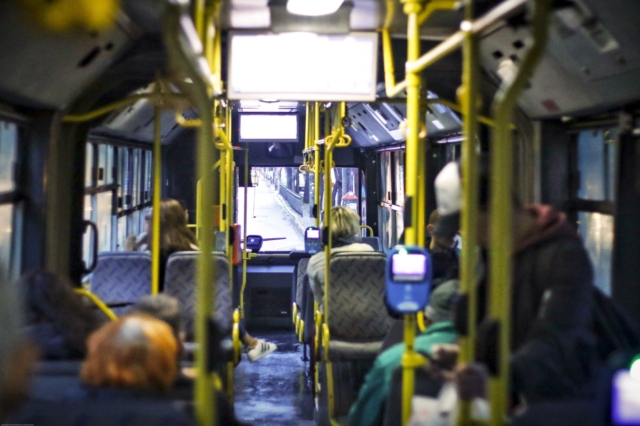
A draft law from the Ministry of Transport for the modernization and upgrade of public transportation is currently under public consultation. The bill includes significant changes to fines for traveling without a ticket on public transport, as well as penalties for causing damage to public transport facilities.
- 06 Φεβρουαρίου 2026 11:33
Specifically, concerning fare evasion, the new fine is set at 100 euros for those who should pay the standard fare and 50 euros for those eligible for reduced fare. Additionally, a 50% discount on the fine will be offered if the offender purchases an unlimited travel card valid for at least 30 days, within a period determined by a relevant ministerial decision.
What happens if the fine is not paid?
The framework for enforcement and confirmation is becoming stricter. If an offender does not pay the fine immediately, they are required to show an ID or another official document. If they refuse to pay or identify themselves, the inspector can request police assistance. Fines that are not paid on time will be transferred to the Tax Administration and collected through the Public Revenue Collection Code.
The responsible agencies for inspections are the public transport authority inspectors or authorized third parties. In Athens, the OASA is the responsible body, while in Thessaloniki, it is the OSETH.
Fines for damaging public transport facilities can reach up to 40,000 euros
The penalties for crimes against fare inspectors in urban transport and for damaging public transport and railway infrastructure are being tightened. According to the provisions of the bill, offenders will choose between a monetary fine or performing community service for the affected public transport body.
If the damage concerns something that serves the operation of entities that carry out public passenger transport or railway infrastructure managers, the fine ranges from 10,000 to 40,000 euros, or alternatively, community service as outlined in the Penal Code.
Other provisions in the bill
The bill also includes measures for:
- The upgrading and commercial exploitation of bus stops,
- Regulations for OASTH,
- The establishment of a Drivers’ School at OSY,
- The extension of the trial operation of fully electric buses in the OASA network,
- Funding for KTEL to renew their fleet,
- A digital platform for evaluating taxi services,
- Technical vehicle inspections (KED/KTEO) and the registry of imported used vehicles.
What Changes for Taxis
The bill also addresses issues related to taxis and professional transport:
- It allows modification of taxi licenses from 6-seat to 9-seat vehicles.
- It resolves issues regarding the joint ownership and management of taxi licenses.
- Provisions for transitional measures to adapt to electric vehicles are also included.
Consultation Deadline
The consultation period will last until Thursday, February 19, 2026, at 21:00.