Pressure on hospital emergency rooms due to the flu
Διαβάζεται σε 4'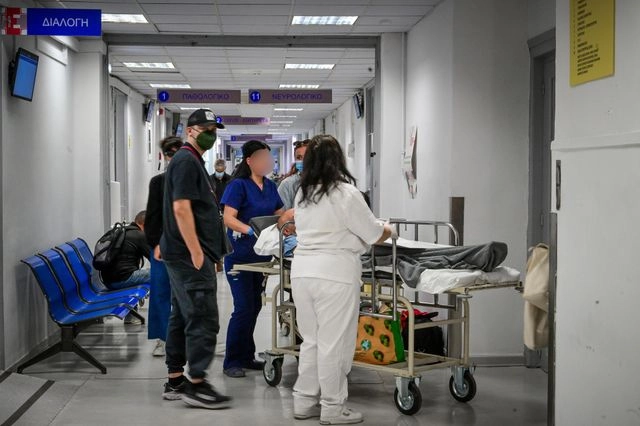
The 52% increase in flu cases in January put pressure on hospital emergency departments, significantly increasing waiting times.
- 12 Φεβρουαρίου 2026 12:32
The outbreak of the flu has had an impact on the front lines of the healthcare system, with Emergency Departments in hospitals experiencing a 52% increase in cases in January.
According to the latest figures, the pressure from winter viruses is palpable, with cases arriving at the Emergency Departments of hospitals doubling.
Specifically, in January, more than 100,000 cases were recorded in the Emergency Departments of the country’s hospitals, compared to 54,000 cases in December, reflecting a 52% increase. This surge indicates the tremendous strain placed on hospitals due to seasonal viruses.
The data released by the Minister of Health, Adonis Georgiadis, on Thursday, shows that the average wait time in the ED was 4 hours and 13 minutes, compared to 3 hours and 53 minutes recorded in December.
Despite improvements in service times during the previous period, the seasonal flu outbreak has reversed these positive results.
The Health Minister emphasized that between February 2025 and November, a 65% reduction in service times was achieved, but the seasonal increase in cases by 25% during the past winter months (December – January) has led to a return to longer waiting times.
In this context, the “Attikon” hospital has been under particular pressure, with waiting times in the Pathology Department exceeding 13 hours, marking a 291% increase compared to the average in other hospitals.
Reactions and Assembly of Workers Regarding Wait Times at “Attikon”
Strong reactions have emerged regarding the use of stretchers, significant shortages in nursing staff, and proposed changes under the new operational organization at “Attikon” hospital.
During a general assembly held by the workers, they pointed out that a key issue is the presence of contracted workers in critical hospital services.
Approximately 250 positions are filled by contractors, including 120 workers in cleaning, 44 in security, 30 in food services, 28 in technical services, and 16 in administrative support.
Workers argue that these positions should be filled with permanent staff, citing limited labor rights and job insecurity.
Additionally, they express concern that the planned changes in hospital operations could increase the involvement of private services, through partnerships with external providers and the development of private services within the hospital. This, they note, alters the nature of the public healthcare system.
The workers also highlighted the ongoing issue of stretchers, particularly during emergency shifts. They stress that addressing this problem requires strengthening staff, upgrading Primary Healthcare, and developing new structures.
There are also serious concerns about the working conditions for nursing staff. Workers mention low wages, increased workload, staff shortages, thousands of overdue days off, and increasing resignations, even among permanent nurses.
As part of their ongoing efforts, hospital workers are planning a series of protests and actions, demanding pay raises, the reinstatement of the 13th and 14th salaries, the inclusion of healthcare workers in hazardous work categories, mass recruitment of permanent staff, the permanent hiring of contract workers, the abolition of stretchers, and the operation of all surgical rooms.
Protests include a work stoppage and a demonstration at the hospital gate on February 26, participation in a rally in Syntagma on February 28, a ten-day action in March, and participation in nationwide healthcare strikes.
The workers have stated that they will continue their protests unless, as they report, substantial interventions are made to address the problems at the hospital.