Farmers say ‘No’ to meeting with Mitsotakis – Their decisions
Διαβάζεται σε 6'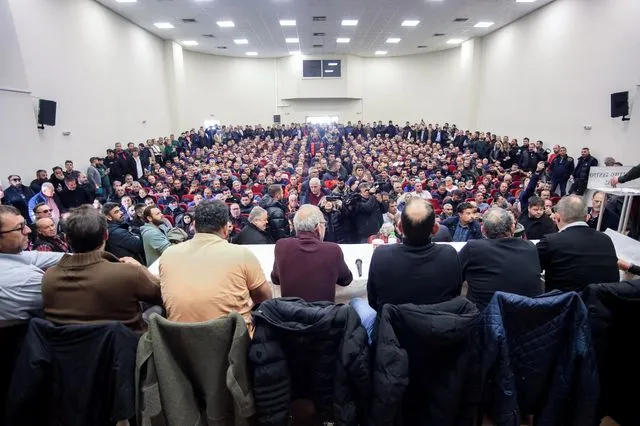
Farmers are escalating their protests, saying “no” to Mitsotakis’ call for a meeting at Maximos Mansion. Here’s what was decided during their nationwide meeting in Nikaia, Larissa.
- 13 Δεκεμβρίου 2025 17:09
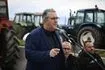
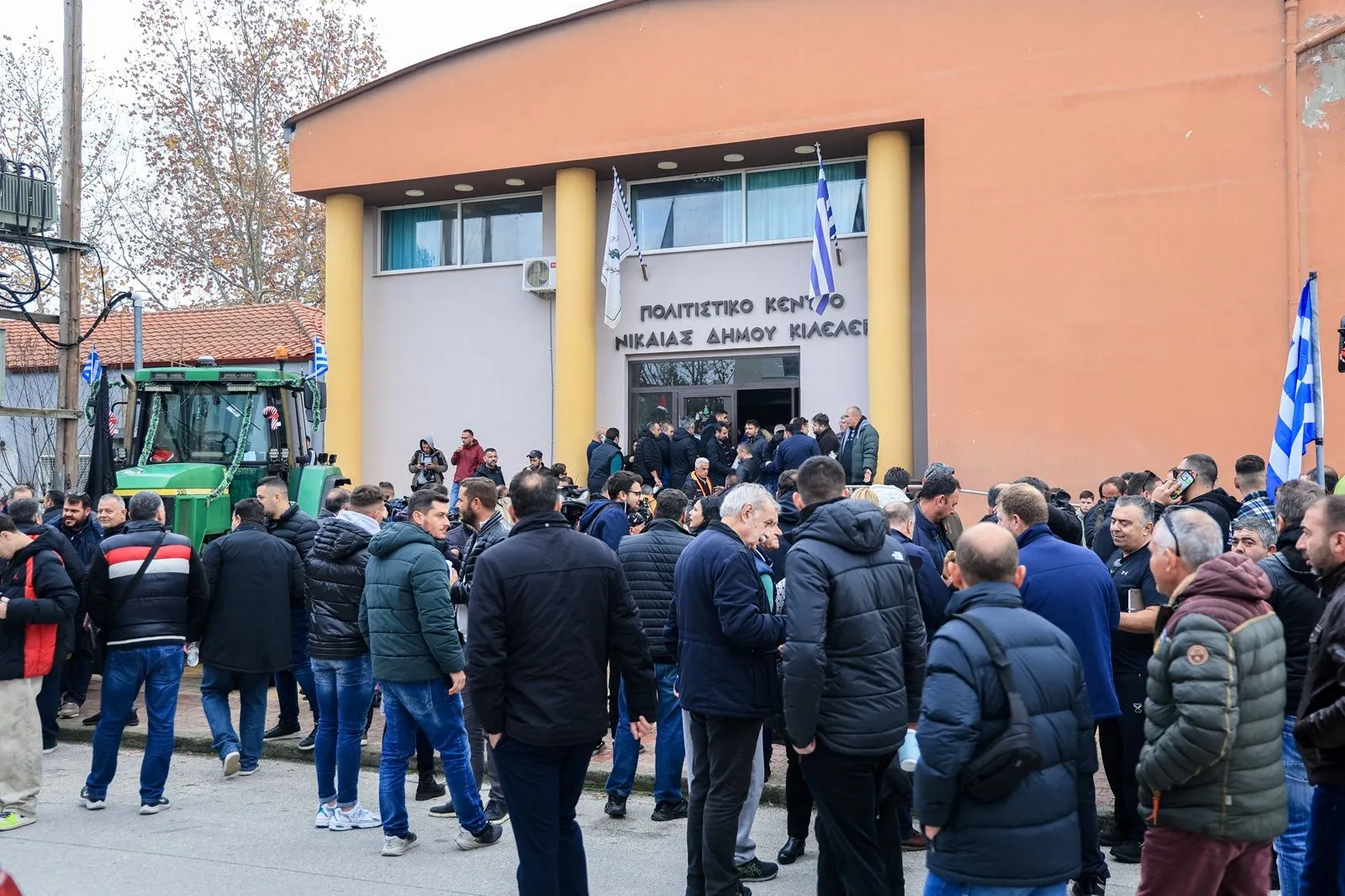
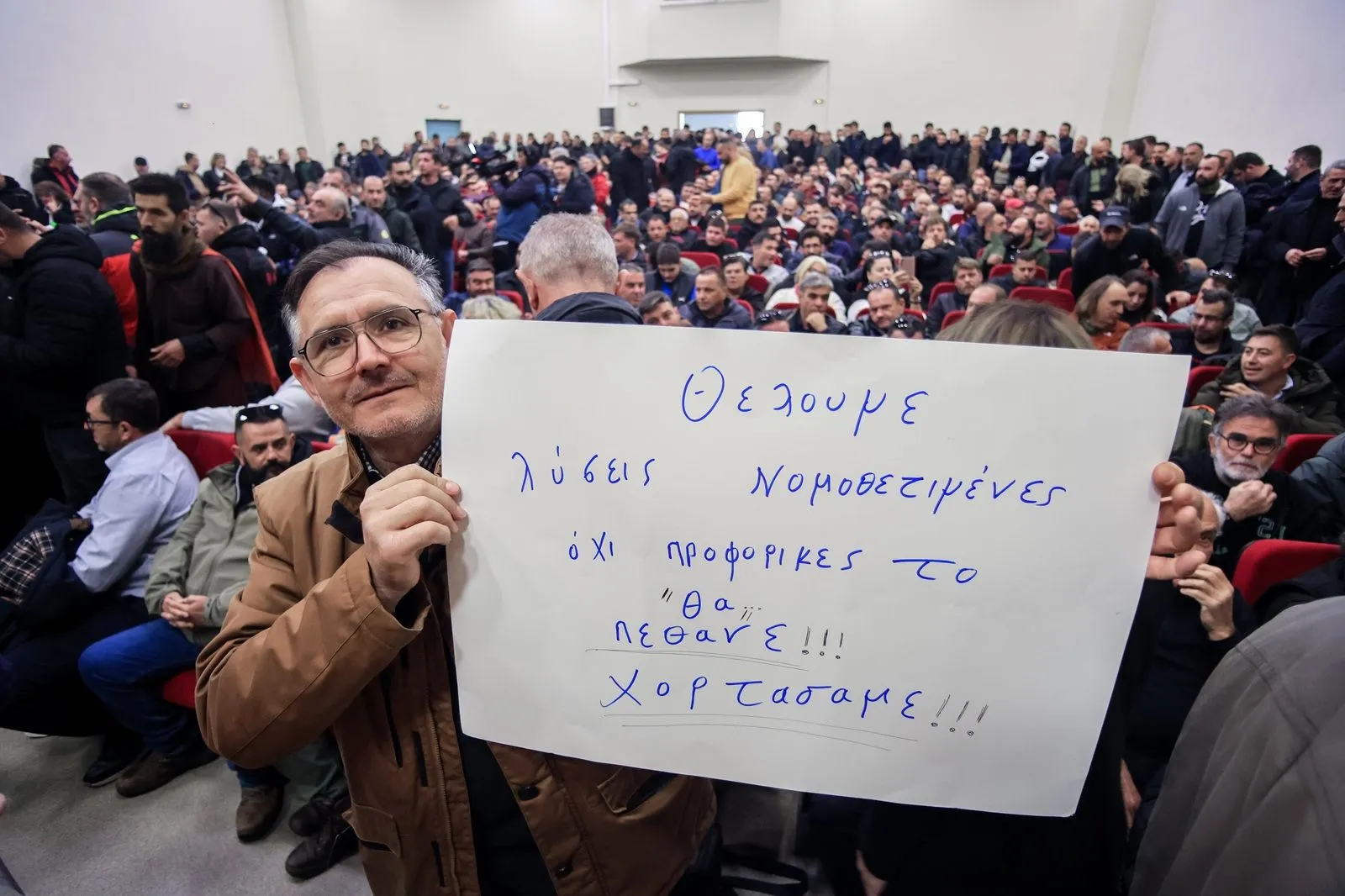
The nationwide meeting of farmers in Nikaia, Larissa, was completed on Saturday afternoon (13/12), where the agricultural movement decided on the future of their protests.
According to sources, the farmers are saying “no” to the meeting with Prime Minister Kyriakos Mitsotakis on Monday. At the same time, they are expected to send their demands to the Maximos Mansion and the relevant ministries by tomorrow.
Reports also suggest that on Tuesday or Wednesday, they plan to block national and bypass roads. Specifically, there are indications that farmers from the Nikaia block may organize a symbolic blockade at the Tempi area to put more pressure on the government, and also to keep the bypasses closed for a longer time. However, as they say, they do not intend to take actions that would severely inconvenience citizens.
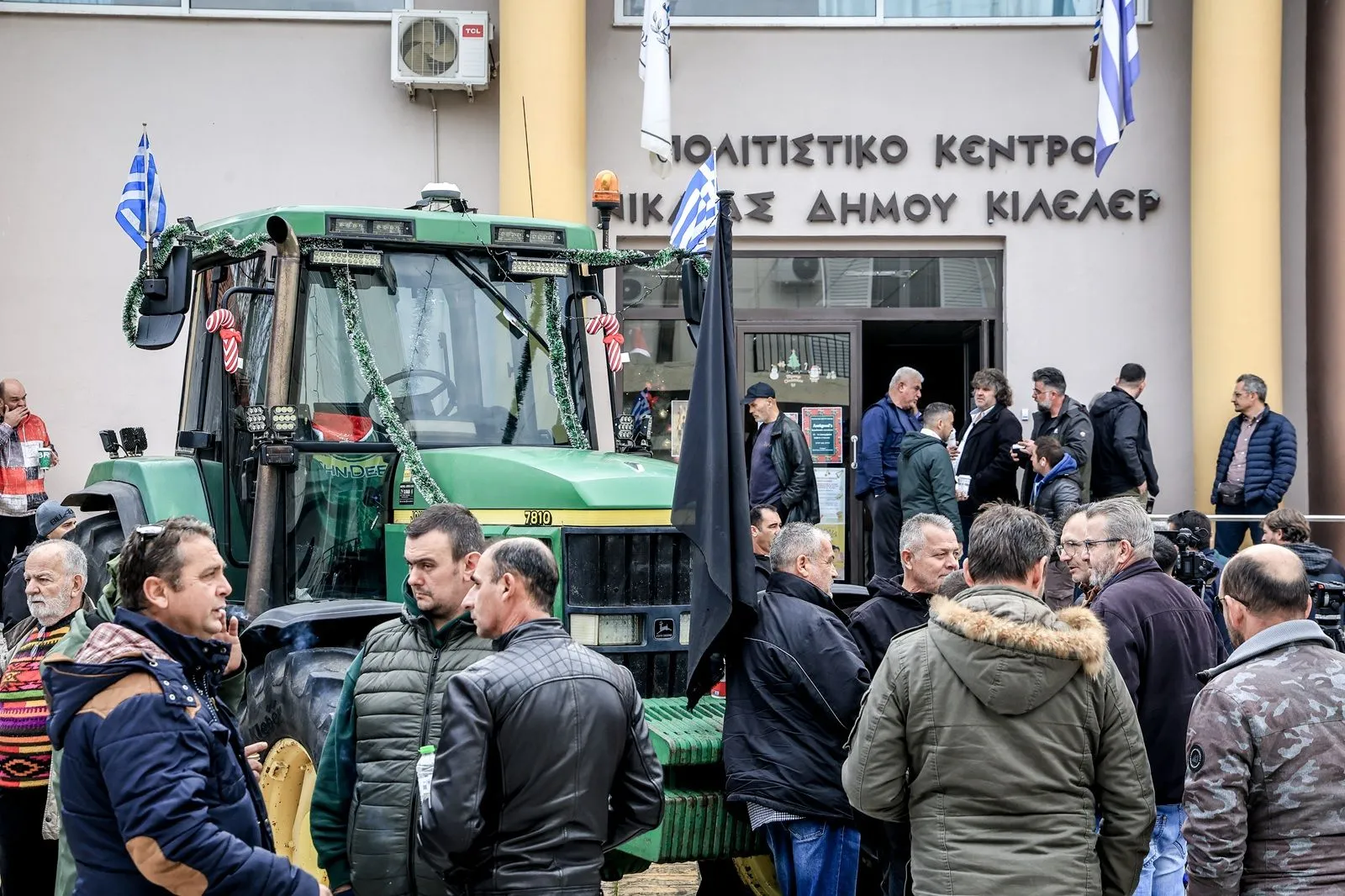
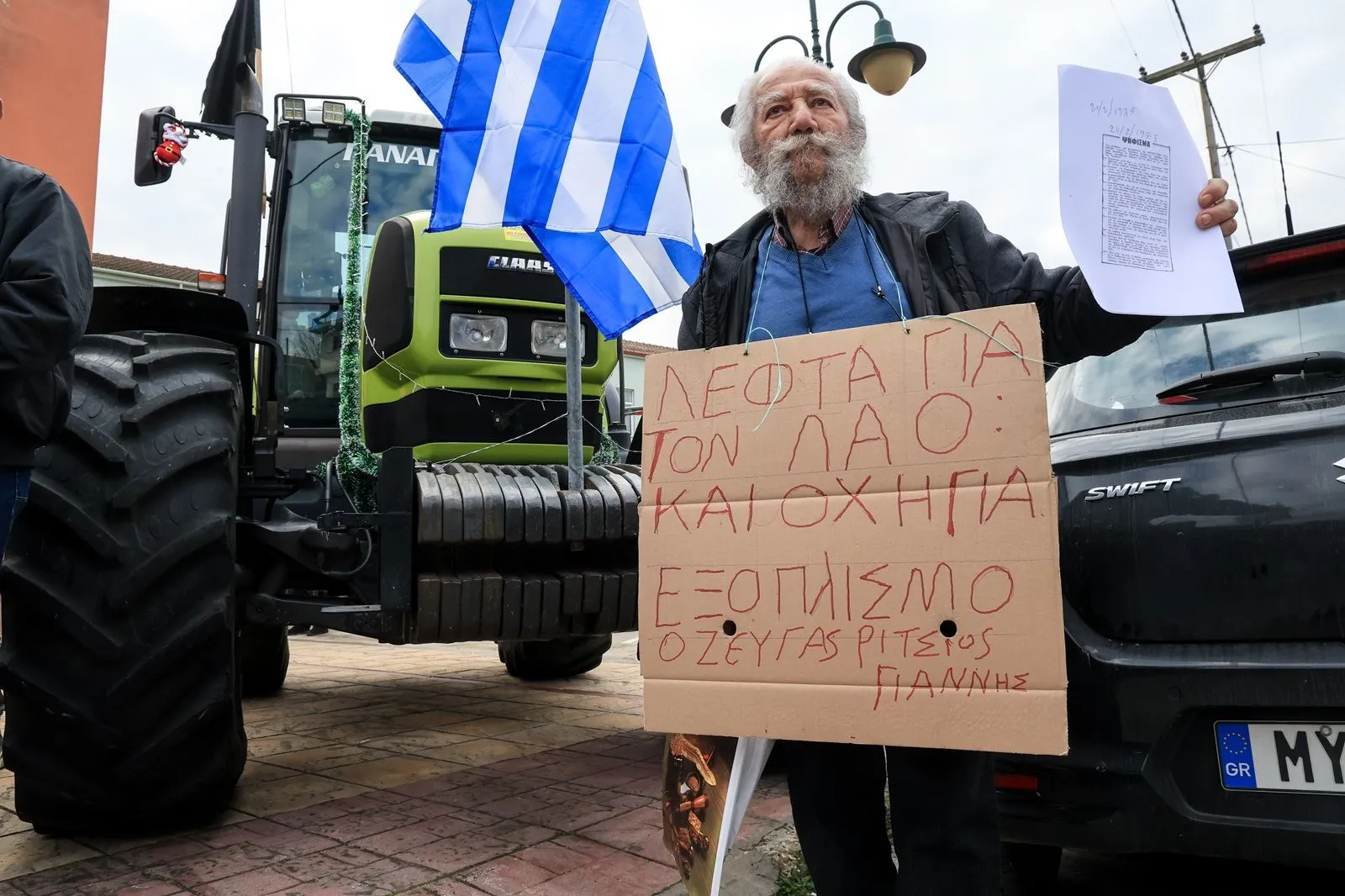
It should be noted that hundreds of farmers and livestock breeders gathered in Nikaia, expressing their determination to stay at the blocks until their main demands are met. These demands include issues like production costs, delays in subsidies, and other problems affecting the primary sector.
From the outset, they interpreted the Prime Minister’s invitation during yesterday’s session of the New Democracy Parliamentary Group as a move with hidden motives, seeing it as mockery.
While Mr. Mitsotakis quickly positioned himself as initiating dialogue, setting the day and time of the meeting (which was no coincidence, as it was scheduled just before the vote on the budget), he failed to commit to meeting their demands. This only happened after the government’s strategy of tension and “social automation” fell flat.
In his statements to NEWS 24/7, Socrates Alefthiras, Vice President of the Larissa Agricultural Associations Federation, commented, “We are not convinced by the Prime Minister’s communication games a day before our nationwide meeting. If we do not have concrete proposals on our demands, we will not engage in dialogue.”
The government talks about dialogue, but insists on its positions
The explanations of the Prime Minister’s proposal by government spokesperson Pavlos Marinakis have intensified the farmers’ suspicions.
“We have no illusions, we do not expect that after one meeting, people who have their demands—many of which are justified, like those of all workers—will leave the meeting completely satisfied and stop their claims,” Mr. Marinakis said yesterday afternoon on SKAI.
He further explained that the Prime Minister wants to meet with the farmers “to hear their demands and see what he can do to improve the situation.” However, he repeated, “Let’s not expect to return to the mentality of ‘give everything,’ ‘there’s money,’ ‘all the kilos, all the money,'” preemptively dismissing the farmers’ demands as maximalist.
He also announced that Mr. Mitsotakis would emphasize to the farmers “that blocking roads and causing inconvenience to citizens helps no one and is not acceptable. In other words, we cannot talk about satisfying demands while roads are closed. Let that be clear.”
The government spokesperson also stated: “We do not believe in bargaining” and tried to link the roadblocks with those who illegally received subsidies from OPEKEPE. “Among those who are rightly protesting, there have also infiltrated those whose ‘party’ was cut. Perhaps they are shouting louder now. The ‘party’ will not start again,” he said, in a characteristic remark.
The Cretans and everyone else
The continuous revelations about the OPEKEPE case, with a focus on Crete, are infuriating even more, especially the farmers from Thessaly and Northern Greece. The fact that, before a meeting with a unified delegation of farmers, the Deputy Prime Minister Kostis Hatzidakis and the Minister of Rural Development met with Cretan farmers and livestock breeders also caused irritation. Even more so, the rumors that the government is promising Cretan producers subsidies as compensation for the abolition of the technical solution.
Of course, the Cretans are acting relatively independently from the roadblocks across the rest of Greece, which again have disagreements regarding their strategy and final objectives for the protests.
Each region and sector faces its own specific problems, although there are two main demands: the reduction of production costs through the expansion and improvement of regulations for electricity and agricultural fuel. Livestock breeders, especially, are in a particularly difficult position due to the goat and sheep pox outbreak.
A livestock restocking program will be required, similar to the one announced after the Daniel floods. However, this must not be delayed for another two years. It is also worth noting that for livestock restocking to begin, the pox outbreak must first be dealt with, and at least six months must pass since the last case.