Infections: What to do to protect yourself when you return from a trip
Διαβάζεται σε 4'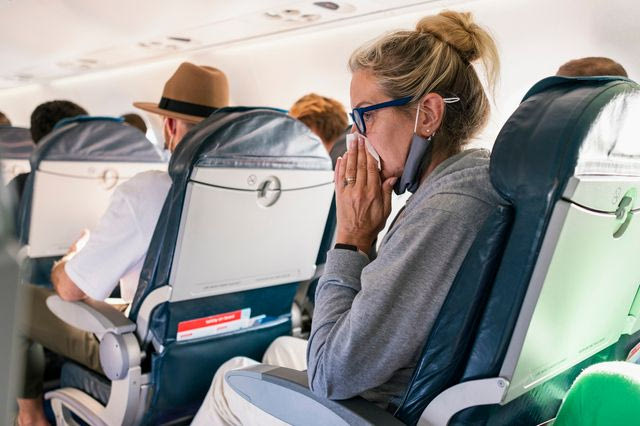
Travel exposes us to germs and viruses in much greater quantities, which is why it is important to take precautions to protect ourselves and stay healthy.
- 29 Δεκεμβρίου 2025 12:58
It is natural, when we travel, to find ourselves in crowded places, use shared surfaces, and come into contact with new microbes — all of which increases the likelihood of exposure to viruses and the risk of catching new infections.
Understanding how germs spread during travel can help us protect ourselves and minimize the chances of getting sick.
The first step to protect yourself after a trip
Airplanes carry thousands of passengers every day, while high-touch surfaces such as tray tables, seat belts, and armrests are not always disinfected between flights.
Germs are easily transferred to clothing, and the fact that travelers sit close to one another for many hours gives viruses even more time to spread.
As Karen Duus, professor of microbiology and immunology at Touro University Nevada, explains:
“The air around all of us and every other living organism is full of microbes, skin particles, and dust. As people come into contact with one another, these personal clouds of microbes mix and are transferred to clothing through simple contact.”
Airborne transmission of viruses increases the risk of infection. According to Dr. Zachary Hoy of Pediatrix Medical Group, respiratory viruses such as influenza, COVID-19, and the common cold are the most common illnesses that spread easily on airplanes.
Even shoes can carry germs from airport floors, which can then be transferred to our hands, clothes, or skin through everyday contact.
Why we are more likely to catch viral infections when we travel
During a trip, we are exposed to new environments, large crowds, and unfamiliar microbes, all of which enhance the spread of infections.
According to a 2025 study titled “Real-time illness monitoring in travellers,” many travelers become ill during or immediately after their trip, mainly with respiratory or gastrointestinal infections. The study notes that real-time symptom monitoring helps detect illness patterns and better understand how diseases spread through travel.
Recent research shows that travel increases close contact between people, exposes us to new pathogens, and often leads to changes in hygiene habits, thereby raising the risk of infection. In addition, travelers may spread or carry diseases even if they show no symptoms.
Protective measures on airplanes
Although HEPA filters on airplanes improve air quality by removing about 99.97% of particles measuring 0.3 microns or larger, this does not mean we are fully protected from viruses.
Boarding areas, airport gates, and the time spent close to other travelers can still allow germs to spread.
As Dr. Annie DePasquale notes, “The risk of transmission increases when we sit close to people who are sick, as coughing or sneezing can send droplets onto clothing, scarves, or sleeves.”
What are the risks from germs on our clothes?
While many microbes carried on clothing are harmless or neutralized by the immune system, some bacteria, fungi, or viruses can survive for long periods, especially if they are not properly disinfected.
Clothes can act as “carriers” for germs, which may then transfer to our hands and subsequently to other surfaces. The risk of infection via clothing is lower than airborne transmission, but it still exists.
What you should do to limit the spread of germs
After landing, it is important to remove the clothes you wore on the plane and place them directly in the laundry basket or washing machine, without shaking them.
Wash your hands immediately and launder your clothes with warm or hot water and detergent, then dry them in a dryer. Heat and detergents effectively destroy most germs.
Also, do not forget to disinfect items that come into contact with many people, such as phones, handles, and carry-on luggage.
A quick shower can help remove germs that have settled on your skin and hair during the trip.
Before traveling, Dr. Hoy also recommends considering the health status of fellow passengers and thinking carefully about whether you are fit to travel if you have been ill recently, as your immune system may be more vulnerable to infections.