Hellenic Train: What trains are we travelling on today?
Διαβάζεται σε 6'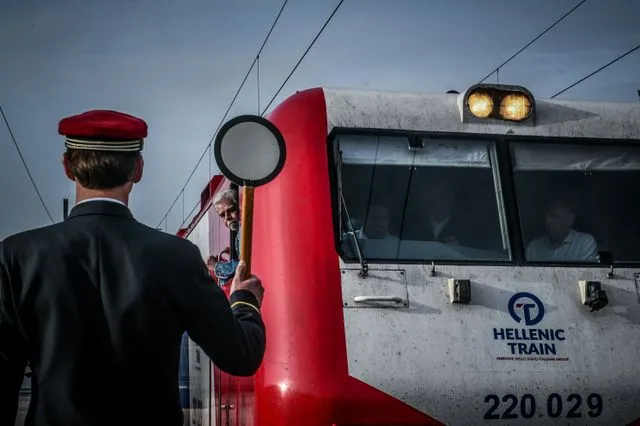
NEWS 24/7 reveals that, three years after the Tempi accident, the locomotives pulling the carriages are the same ones that were running on the railway tracks 20 years ago.
- 23 Φεβρουαρίου 2026 13:00
“I am interested in ensuring that Hellenic Train brings us its best trains and not clunkers,” Prime Minister Kyriakos Mitsotakis had stated in March 2023, one month after the Tempi railway accident.
Three years later, the same “clunkers” are still running on the Greek railway.
Today, the Italian company uses three-decade-old trainsets on the Greek railway network, which frequently experience malfunctions and delays affecting passengers. Indicatively, on the day of the accident (28/2/2023), three such breakdowns were recorded across the network.
A train driver who spoke to NEWS 24/7 describes the lack of rolling stock, the inability to carry out maintenance, and reveals that the same locomotives that were running decades ago are still in use today.
WITH DIESEL TRAINS ON THE ATHENS–THESSALONIKI ROUTE
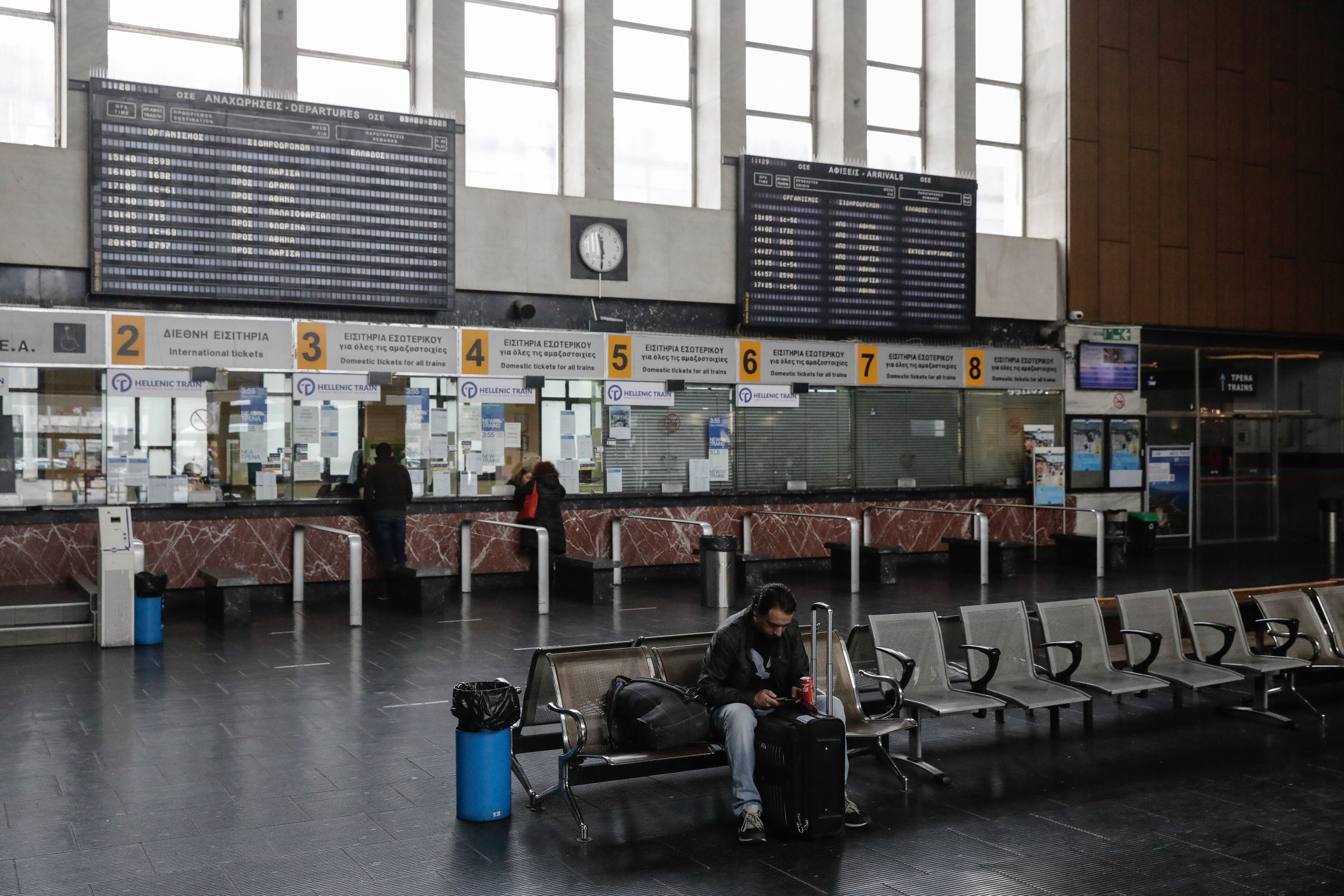
The locomotives pulling the carriages on the Greek railway are of three types.
Today in Greece, the burden of the Athens–Thessaloniki line is carried by two main types of trainsets, which are Italian-owned but based on outdated technology compared with those operated by Trenitalia in Italy.
The ADTRANZ diesel locomotives are the engines that haul the carriages on the Intercity services along the Athens–Thessaloniki route. They are similar to electric locomotives but run on diesel.
The problem here is not the locomotive itself, but maintenance. Many of them are “cannibalized.” Spare parts are taken from one to repair another, resulting in frequent fires and immobilizations due to overheating of electrical systems.
A train driver who spoke to NEWS 24/7 describes daily life on a route:
“They constantly develop problems. One day, I was assigned a locomotive to operate the route and the fault hadn’t been fixed, and the company told me, ‘We don’t have another one, this is it.’ We’re having issues with the air conditioning now in winter — it’s cold inside. I can’t imagine what will happen in the summer. The Siemens electric locomotives also have problems because they are used so heavily. There aren’t many of them, and there isn’t enough time for repairs to be carried out.”
In Italy, Trenitalia has withdrawn similar locomotives from its main lines, replacing them with the ultra-modern E.494 (Traxx 3), which feature automatic fault diagnosis systems and much higher fire safety standards.
30-YEAR-OLD TRAINSETS IN GREECE – NEW TRAINS IN ITALY
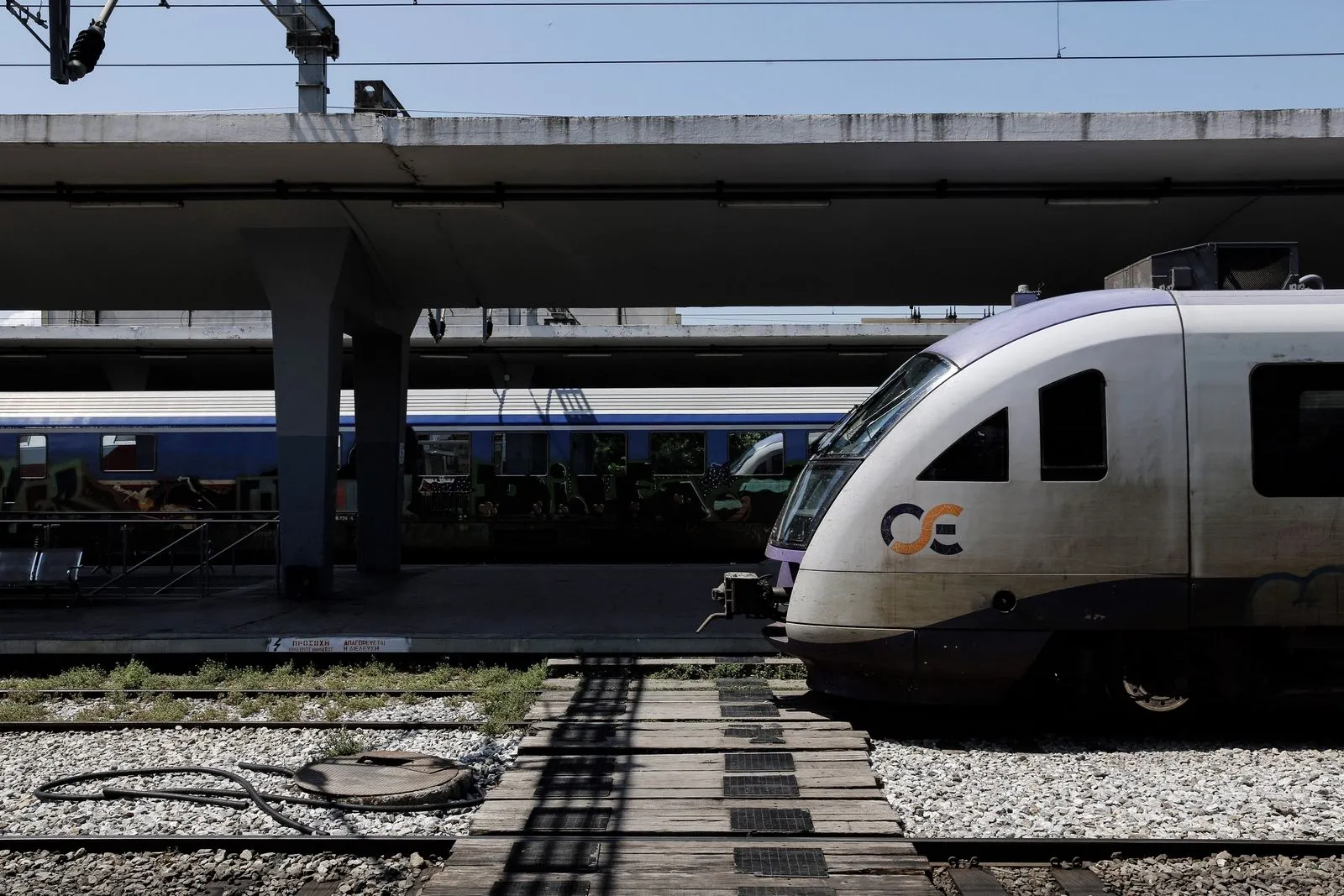
The situation on the suburban railway line in Athens, as described by the train driver speaking to NEWS 24/7, is equally concerning.
“The Desiro trains we use for suburban services are partly worn out; they hardly stay in the depot for maintenance, they are constantly running routes. They were not designed to carry so many passengers — there is so much weight that it creates problems with the train’s suspension. We don’t have enough rolling stock to add more services, so it’s inevitable that these trains will also break down at some point.”
The White Arrows, ETR470, had a poor reputation in Europe. Switzerland permanently withdrew them in 2014 due to repeated breakdowns and a fire in one of them in 2009 (Ambrì tunnel). These trains were never upgraded with the modern fire protection systems that Trenitalia installed in the rest of its fleet. Instead of upgrading them, they chose to send them to Greece.
Information from Hellenic Train indicates that after the summer and the restoration of the lines, the company intends to increase services and place the ETR470 back into operation.
Rather than investing in new rolling stock, the Italian company leases in Greece the old fleet granted to it by the state through GAIAOSE.
In Greece, MAN diesel trainsets built in the previous century, 30 years ago, are still in operation. In Italy, Trenitalia has replaced almost its entire regional fleet with the new “Pop” and “Rock” trains (by Alstom and Hitachi), which are made from 95% recyclable materials and feature built-in fire suppression systems that activate automatically.
Italian legislation (UNI 11565) is extremely strict. Following accidents in 2005, Italy mandated the use of active water mist fire suppression systems in all carriages passing through tunnels longer than 500 meters.
In Greece, RAS (Railway Regulatory Authority) has acknowledged that there is no corresponding national rule requiring active fire suppression (water mist) systems in tunnels, as there is in Italy.
THIS YEAR, HELLENIC TRAIN’S FIRST INVESTMENT IN ROLLING STOCK

The Greek State and Hellenic Train’s parent company, Ferrovie dello Stato, signed an amendment to the 2022 contract in order to bring new trains to Greece. The State committed to subsidising Hellenic Train with €50 million annually for loss-making routes, and the company (FSI) committed to investments.
The new contract, ratified on January 15, 2026, provides for investments of €420 million, of which €308 million concern the purchase of 23 new trains.
The acquisition of Alstom trains (Coradia type) is the first substantial investment in rolling stock, though it comes with significant delay and after the Tempi accident. Delivery of the first trainsets is not expected before the end of 2027 or early 2028.
The new trains are required to be built in accordance with modern European fire safety standards. This means that their seats and interior fittings must include the fire-retardant layer that was missing from the “refurbished” carriages involved in the Tempi accident.