Marfin case: Woman returns from the UK and claims innocence
Διαβάζεται σε 5'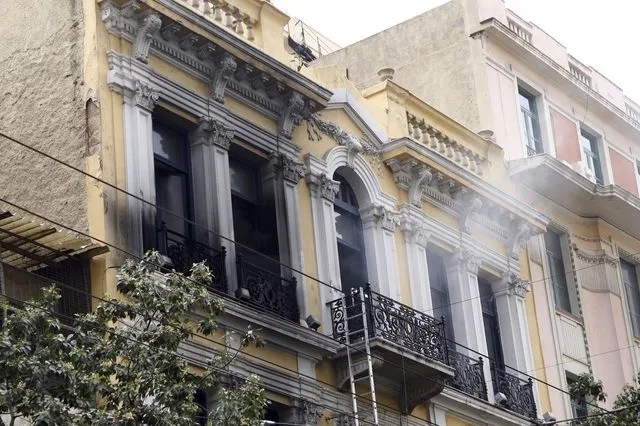
The 46-year-old woman linked to the Marfin investigation says she will return to Greece voluntarily to testify before the investigating magistrate.
- 11 Ιουλίου 2026 11:29
The judicial investigation into the deadly Marfin bank fire has taken a new turn after a 46-year-old woman allegedly connected to the case contacted Greek authorities, proclaiming her innocence and expressing her intention to return immediately to Greece from the United Kingdom.
According to her lawyer—who also represents the two 42-year-old suspects already arrested—the woman came forward as soon as she learned of the latest developments. She reportedly intends to cooperate with investigators and provide her own account of the events.
Her legal team expects her to return to Greece by Monday. If that timeline is confirmed, she could appear alongside the two other suspects before the investigating magistrate on Tuesday, in what is seen as a crucial stage in the long-running case.
At the same time, the Greek police investigation remains in full swing, with authorities making use of advanced technological tools. Particular attention is being paid to the analysis of photographic material using artificial intelligence.
According to reports, investigators are examining photographs taken during trips allegedly made by the group in 2009. Police are scrutinizing the images in an effort to identify individuals, reconstruct movements and establish possible links between those involved.
The coming days are expected to prove decisive, as the woman’s testimony and the findings of the digital investigation could shed new light on previously unexplored aspects of the case.
The Marfin tragedy
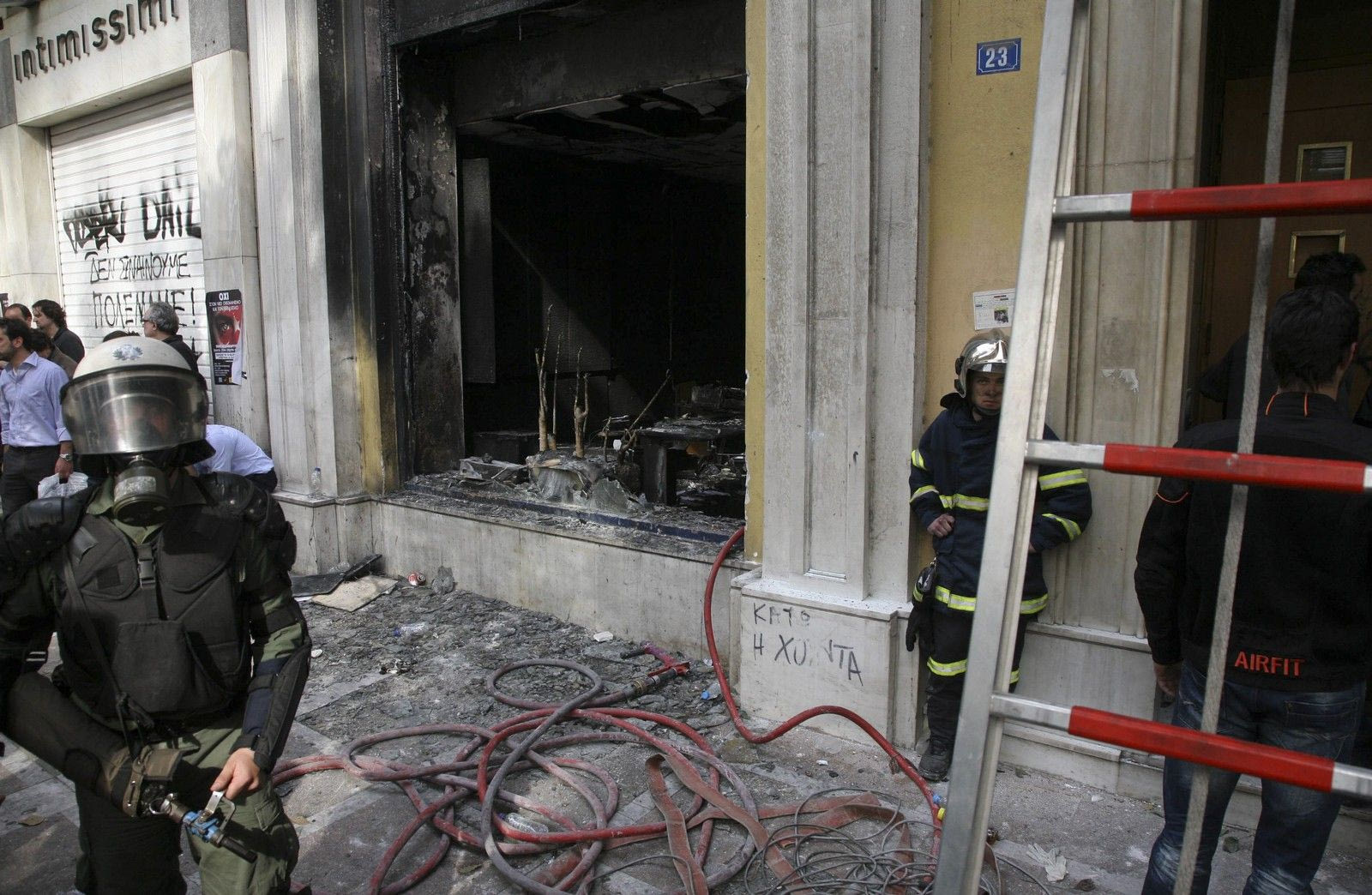
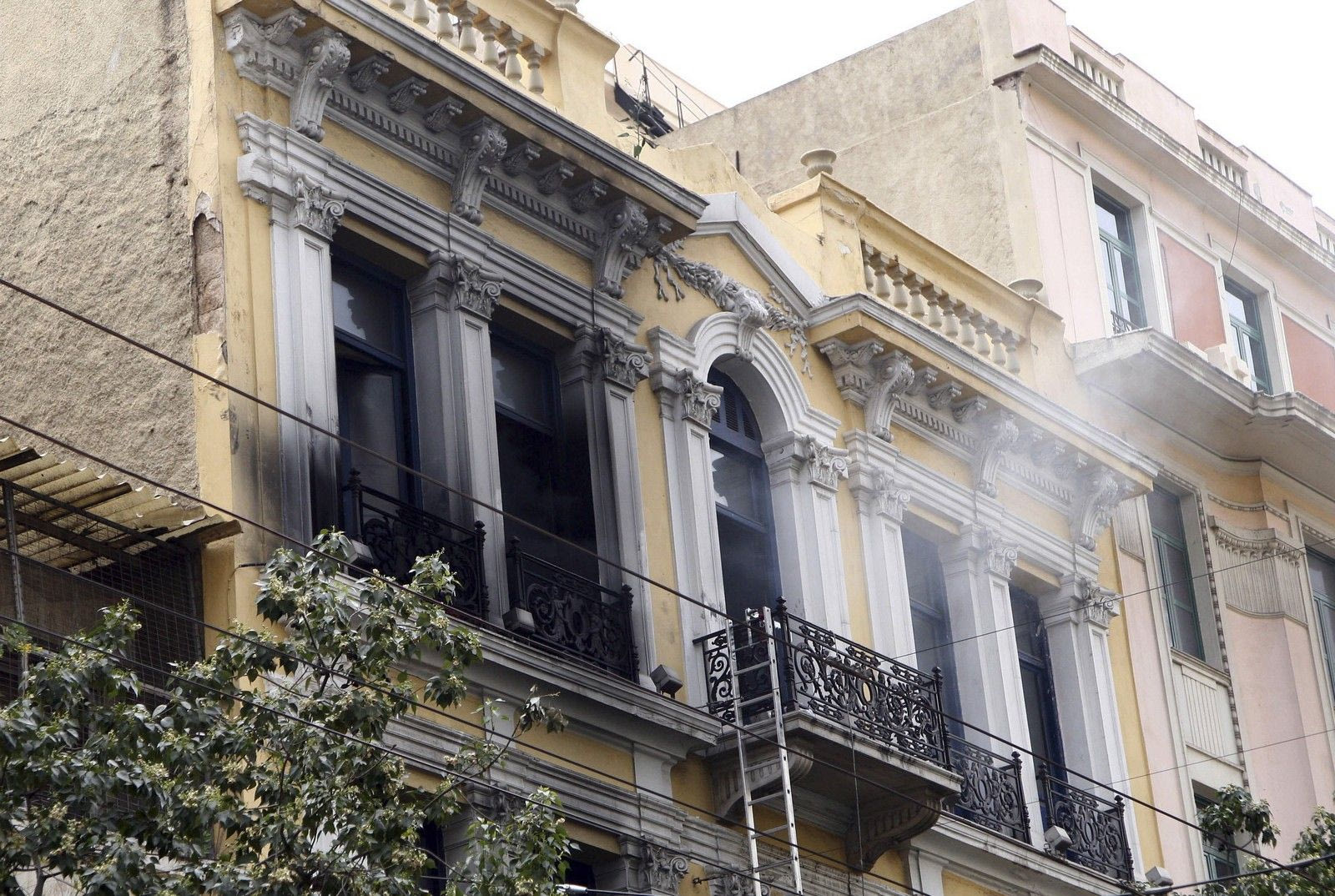
On May 5, 2010, during a mass demonstration in central Athens against austerity measures linked to Greece’s bailout agreement, a group of assailants attacked a branch of Marfin-Egnatia Bank on Stadiou Street with Molotov cocktails.
As the main protest march moved toward Syntagma Square, hooded individuals threw firebombs and a bottle of gasoline into the bank building. Thick smoke quickly engulfed the premises.
Most employees crowded into a narrow air shaft leading to the rooftop, where one of them managed to break through a metal barrier. They climbed onto the roof and escaped into a neighboring building after smashing a window.
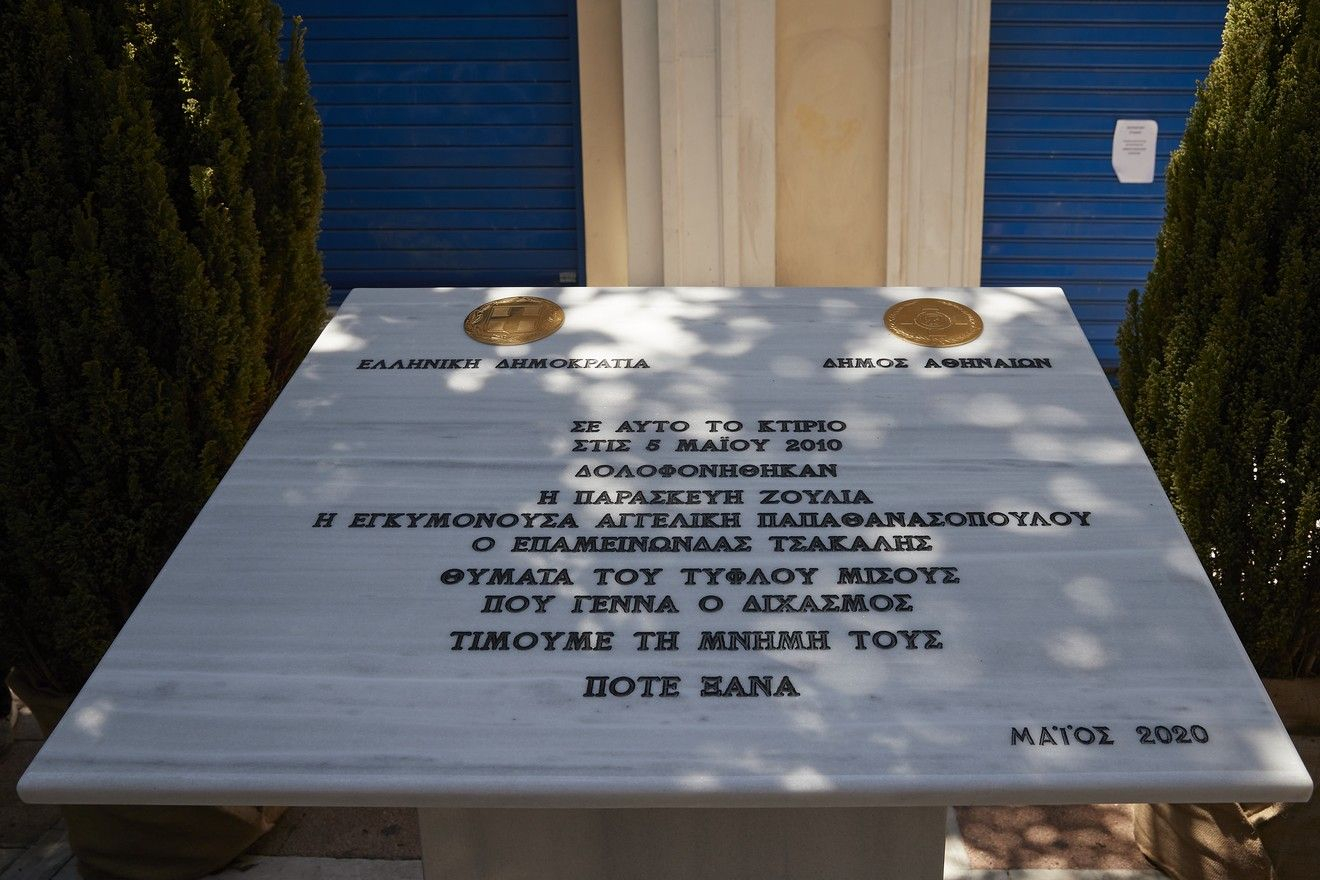
However, employees Epaminondas Tsakalis, Paraskevi Zoulia and Angeliki Papathanasopoulou, who was pregnant at the time, became trapped on the third floor and died from suffocation.
According to forensic examiner Filippos Koutsafis, toxic fumes and smoke generated by the burning plastics and paper materials killed them within minutes. The victims were found with severe smoke inhalation injuries and signs that they had attempted to escape through a rooftop door that failed to open.
Witnesses also reported that groups moving alongside the demonstration attempted to carry out arson attacks against a bookstore and a convenience store located opposite the bank, but were prevented by bystanders.
Legal proceedings and convictions
One suspect was arrested and charged in connection with the fire, facing accusations including intentional homicide, causing an explosion resulting in death and danger to human life, possession of explosive devices and property destruction. Court documents referred to two additional perpetrators whose identities remained unknown.
After several delays, the trial concluded in October 2016 without any convictions for the arson attack itself. The main defendant, who described himself as an anarchist, was unanimously acquitted due to insufficient evidence.
Witnesses testified that the attack had been carried out by an organized group. Firefighters also stated that while some protesters tried to obstruct emergency crews, many others helped them reach the bank.
In a separate trial that concluded in July 2013, Marfin’s chief executive, the building’s security manager and the branch manager were found guilty of negligent homicide in connection with the deaths of the three employees, as well as bodily harm to 21 others and multiple failures in fire safety measures and staff training.
Investigators found that the emergency exit had been locked and could only be opened using a remote control in the possession of the branch manager. Employees testified that they had never participated in an evacuation drill and that the branch lacked the legally required fire-safety certification.
The three executives received prison sentences, with the first two sentenced to 22 years and the branch manager to five years and one month. It later emerged that employees had gone to work despite a nationwide strike, fearing dismissal.
Civil lawsuits brought by survivors and relatives of the victims resulted in compensation awards totaling more than €1 million for one victim’s family and €720,000 for employees who survived the fire.
The Marfin tragedy profoundly shaped Greece’s political and social landscape during the years of the financial crisis. More than sixteen years later, those responsible for the deaths of the three employees have yet to be identified.