“It wasn’t simply human error” – What an experienced pilot says about the helicopter collision in Psatha
Διαβάζεται σε 5'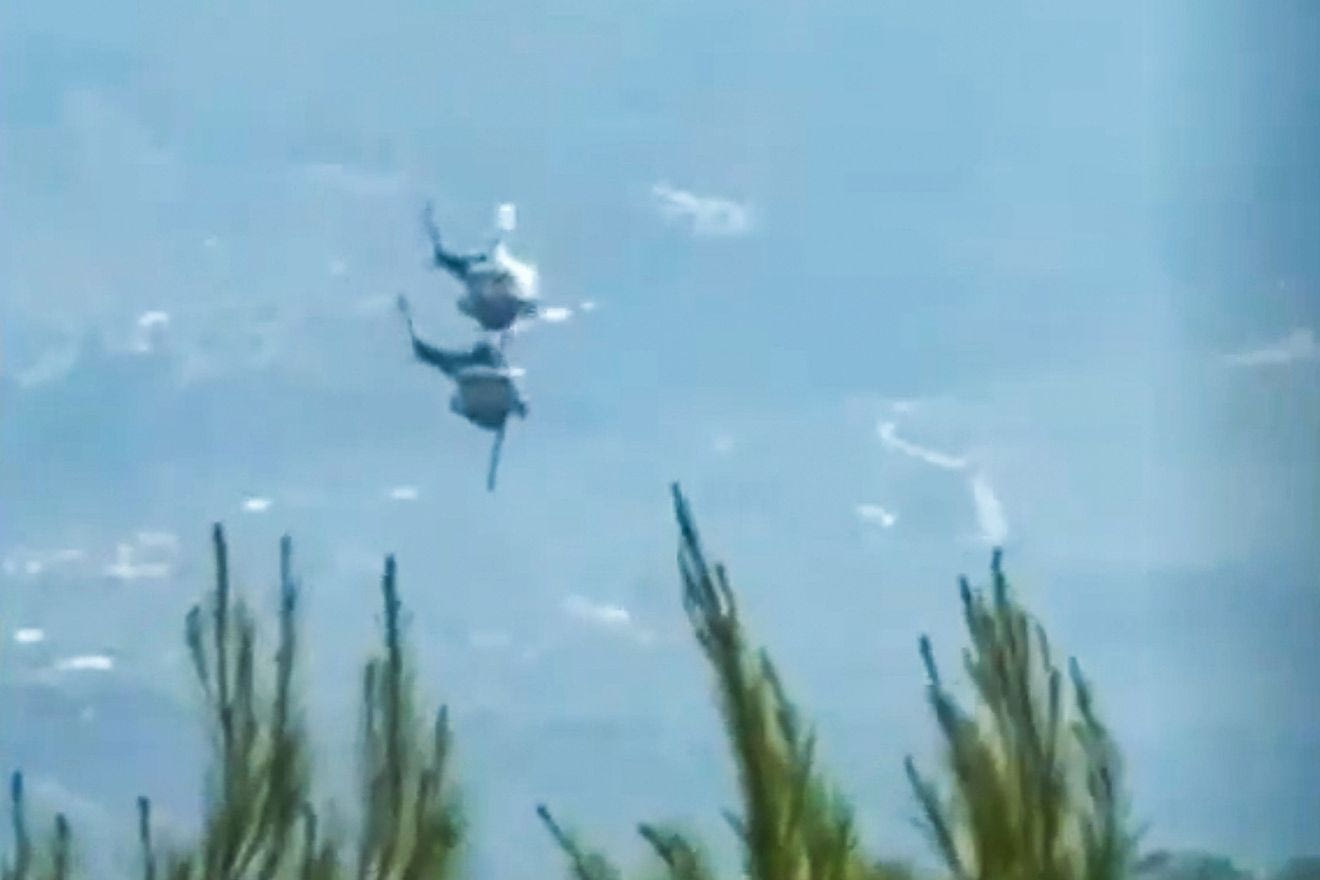
The unseen factors behind the tragedy in Psatha and the time that must not be lost in the investigation. What an expert on the subject tells NEWS 24/7.
- 03 Αυγούστου 2026 15:52
The truth is that the average Greek’s experience of wildfires -which occur every year- is such that, in the end, we all feel entitled to express an opinion.
That is legitimate.
But we take it a step further and “become” authorities who challenge the experts.
The problem is that, although all the relevant information is available through “tools” that we sometimes trust even with our lives -for example, AI chatbots—- we insist on judging events on the basis of incomplete information. And I assume we all know that half the truth is not the truth.
There is no such thing as “human error” in aviation incidents
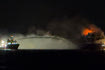
A helicopter pilot with decades of experience in the Hellenic Air Force and the private sector, whom we contacted, advises against making hasty comments, such as claiming that the collision between the helicopters operating to extinguish the forest fire in Psatha was the result of “human error”.
“An accident in the air is never caused by just one thing. So those who speak of ‘human error’ should know that this is an outdated concept in accident investigation.”
G. explained that the video of the collision appears to show that visibility was clear -“there was no smoke”- but at the same time, “we cannot know what the pilots inside the cockpit could actually see”.
The term human factors does exist in accident investigation, but “it encompasses many things. Human error is the final outcome -the part we see- and it is never that simple.
There are many factors behind it, such as fatigue. If a pilot has been flying for three days beyond the prescribed limits, or is being pressured to complete the mission and that pressure leads them to exceed certain limits, then we cannot attribute the accident or fatal crash solely to the pilot.
We classify these as contributing factors.”
What is examined under “human error”
In modern investigations, human error is assessed within the context of the entire system and, more specifically, everything involving the interaction between people, machinery, equipment, the environment, the organisation and procedures.
The main categories examined include fatigue, stress, attention and concentration, workload, perception and decision-making abilities, and medical factors, as well as communication among crew members, communication with air traffic control, and any possible misinterpretation of instructions or information.
The 12 most common human factors are lack of communication, distraction, lack of resources, stress, complacency, lack of teamwork, pressure, lack of awareness, lack of knowledge, fatigue, lack of assertiveness and bad habits—for example, “this is how we always do it”.
The highly experienced pilot also stresses that it must be established under which regulations the helicopters were operating, since “every company has an operating manual. Investigators must determine whether its provisions were followed and examine the role of the coordinator.
In other words, whether the person coordinating operations from the control center was also responsible for coordinating the aircraft in the area.
It is a chain of events.
We must not forget that we are talking about people with enormous experience. This is their job; it is the only thing they do.
The phrase ‘momentary error’ does not reflect reality and is unfair to the pilots.”
The information we do not receive about aviation incidents
In Europe, the investigation of aviation accidents and serious incidents remains a national responsibility, with each country having its own independent air accident investigation authority. In Greece, this role is carried out by the National Organisation for the Investigation of Air and Rail Accidents and Transport Safety.
As the expert stresses, it is important that the organization has already begun its work, “because evidence is lost as the hours pass”.
The available information is that the preliminary investigation has been assigned to the Sub-Directorate for Combating Organised Crime.
“In such cases, it is customary for the public to be informed from the beginning of the investigation, but this is something that generally does not happen in Greece.”
“For example, on July 10 there was an announcement about the accident that occurred in Greek airspace,” involving a Ryanair aircraft window that shattered.
“After that, however, there was no announcement that the investigation had been assigned to the US NTSB.”
In Greek, NTSB stands for the National Transportation Safety Board, an independent agency of the United States federal government responsible for investigating civil transport accidents.
“This is strange because, although it was a serious accident, it was not a difficult case—it was not fatal. They could therefore have handled it themselves and requested assistance through accredited representatives.
Another strange point is that they did not even turn to the European Network of Civil Aviation Safety Investigation Authorities, the network of all national independent air accident investigation authorities of EU member states, which coordinates their cooperation.
They chose the Americans instead,” as international media outlets revealed.