Zakynthos: Leptospirosis death confirmed – Three cases reported
Διαβάζεται σε 3'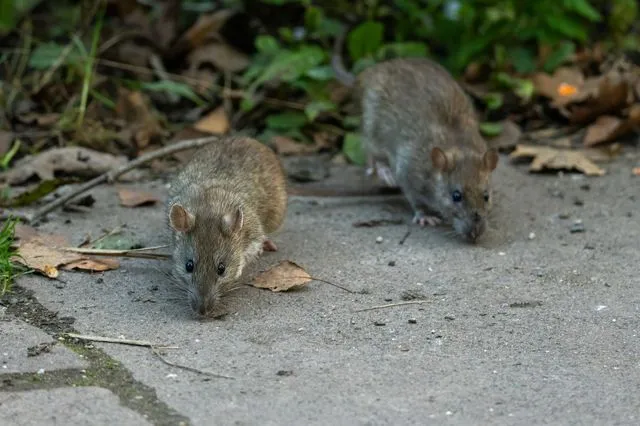
Three cases of leptospirosis were reported on Zakynthos in April, with the Greek Ministry of Health (EODY) confirming the death of a 74-year-old man. Here’s what you need to know about the disease and how it spreads.
- 24 Απριλίου 2026 21:18
Three cases of leptospirosis were reported on Zakynthos, according to the latest update from EODY.
One of the cases involved a 74-year-old man who passed away after being hospitalized at Zakynthos General Hospital due to a severe leptospirosis infection. Additionally, two more cases were recorded recently, involving men aged 21 and 34, both diagnosed with the disease. The younger man has already recovered, while the 34-year-old is currently hospitalized but is no longer in danger.
This update from EODY confirms the earlier reports of a fatal leptospirosis case. The three cases are not epidemiologically linked, as they come from different parts of the island, with distances ranging from 1.5 to 5 kilometers between them. The individuals are not related, nor do they share a common work environment.
“Zakynthos, due to its unique geographical and environmental conditions, has historically had a higher frequency of leptospirosis cases,” EODY stated.
The agency noted that the recent weather patterns, including rainfall and local flooding at the end of March, contributed to the spread of the bacteria (Leptospira) in the environment.
EODY plans to send a team of health professionals to investigate the cases and inform the local population about the characteristics of the disease.
The island’s health services are fully prepared and are working closely with EODY to enhance prevention efforts and protect public health.
Residents are advised to strictly follow personal hygiene measures, avoid contact with stagnant water, and seek medical attention immediately if symptoms such as fever, muscle aches, headache, weakness, or fatigue appear.
What is Leptospirosis
Leptospirosis is a bacterial infection primarily transmitted through contact with contaminated water, soil, or animal urine, especially from rodents. It is treatable when diagnosed early, as there is an effective antibiotic treatment. However, it can become serious, particularly for the elderly or those with underlying health conditions.
Prevention, early diagnosis, and awareness remain the key tools in effectively addressing leptospirosis.
The symptoms of leptospirosis typically appear two weeks after exposure to the bacteria and resemble those of a common cold or flu.
However, in some cases, the disease can progress to severe conditions such as sepsis or even death.
The main symptoms include:
- Fever and chills
- Bronchitis and pneumonia
- Headache
- Fatigue and weakness
- Jaundice and kidney damage
- Nosebleeds and subcutaneous hemorrhaging
How is Leptospirosis Transmitted
Leptospirosis is primarily transmitted through infected animals, which excrete the bacteria in their urine.
Humans can get infected by coming into contact with contaminated water or soil, or through skin or mucous membrane abrasions. Human-to-human transmission is rare but can occur through sexual contact or breastfeeding.
The incubation period for the bacteria can range from 3 to 20 days, depending on the nature of the infection and the amount of bacteria with which the person came into contact.