Fierce backlash over riot police crackdown on anti-fascist march
Διαβάζεται σε 12'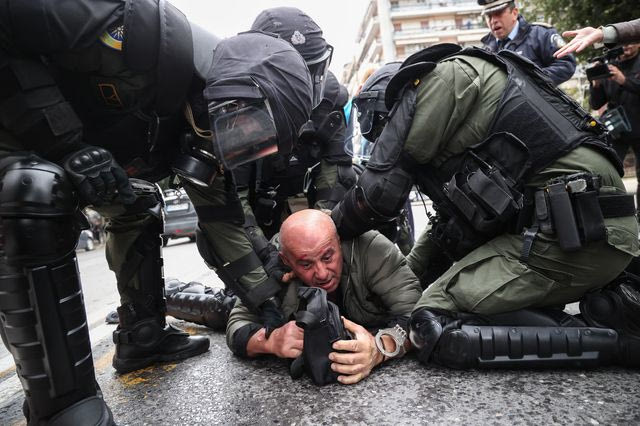
Police and the Ministry of Citizen Protection face fierce criticism following a riot police assault on protesters demonstrating against Kasidiaris’ speech in Thessaloniki. “The government has chosen a side.”
- 29 Οκτωβρίου 2026 15:26
The violent intervention by police forces to stop an anti-fascist demonstration scheduled for Wednesday afternoon (October 28), in protest against a speech by convicted neo-Nazi Ilias Kasidiaris at a central Thessaloniki hotel, has sparked strong political and public reactions.
The intervention followed a decision by the Hellenic Police to ban public gatherings in central Thessaloniki on October 28, Greece’s national holiday commemorating its resistance to fascism, ahead of the planned anti-fascist rally. The ban provoked further criticism over the authorities’ handling of the situation.
Following the violent assault by riot police on demonstrators, opposition parties, trade unions and anti-fascist groups have condemned the government and the Ministry of Citizen Protection, accusing the police of effectively providing cover for Kasidiaris’ event while preventing the anti-fascist march from proceeding.
Kasidiaris has been convicted of holding a leading position in the criminal neo-Nazi organisation Golden Dawn. The fact that these events took place on October 28, a date of profound anti-fascist significance in Greece, further intensified the backlash.
What happened
Late on Tuesday evening (October 27), police announced a ban on all outdoor public gatherings from 9 a.m. to 9 p.m. in Thessaloniki’s historic centre and the Vardaris district, citing public safety concerns and the need to prevent clashes.
Kasidiaris was scheduled to speak at a hotel in the city on the same day, prompting trade unions, political organisations, student associations and activist groups to call for anti-fascist demonstrations.
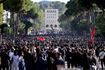
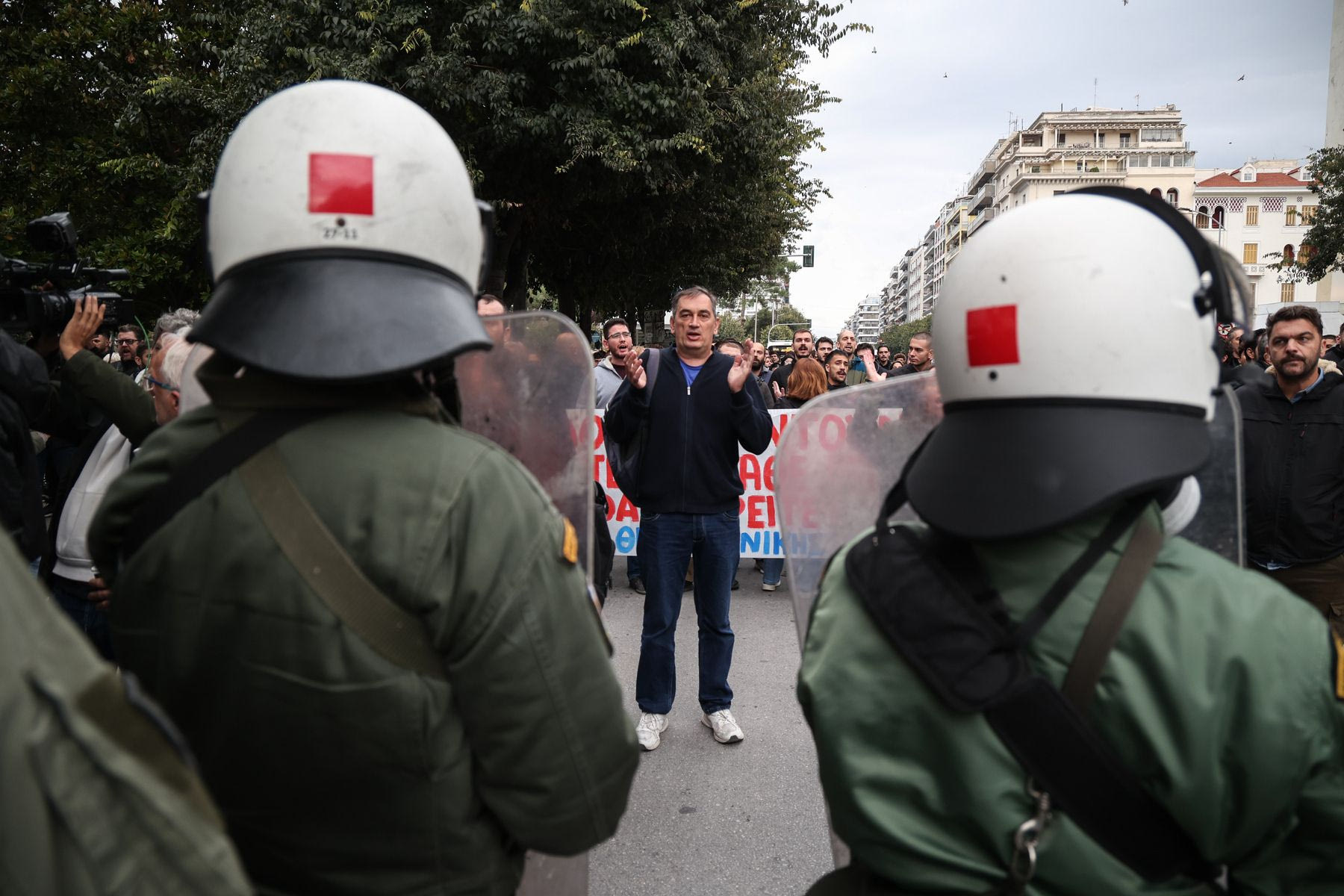
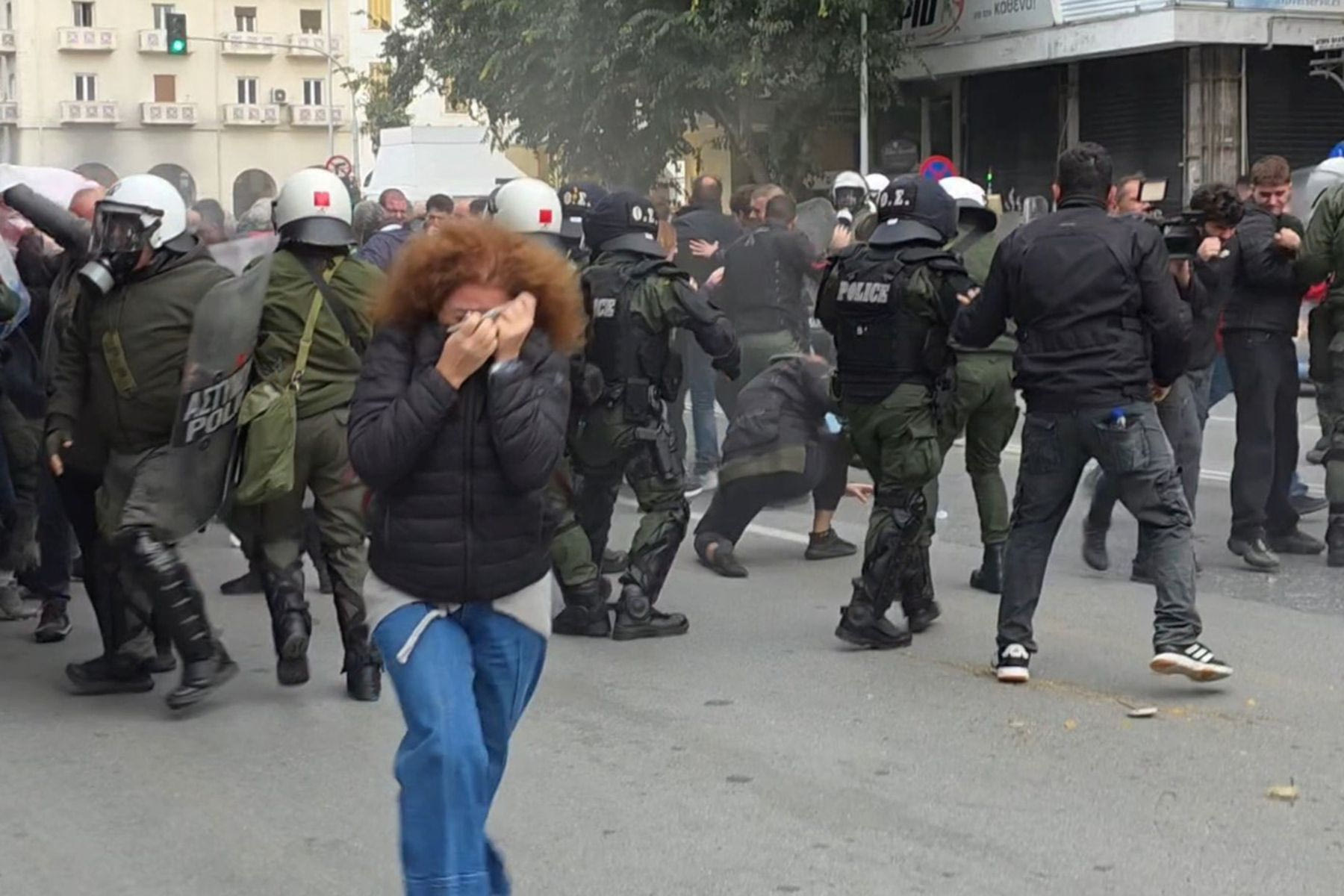
Despite the ban, protesters gathered at the statue of Eleftherios Venizelos before attempting to march towards Egnatia Street. Near Aristotelous Square, they encountered a large contingent of riot police who had formed a cordon and prevented them from proceeding.
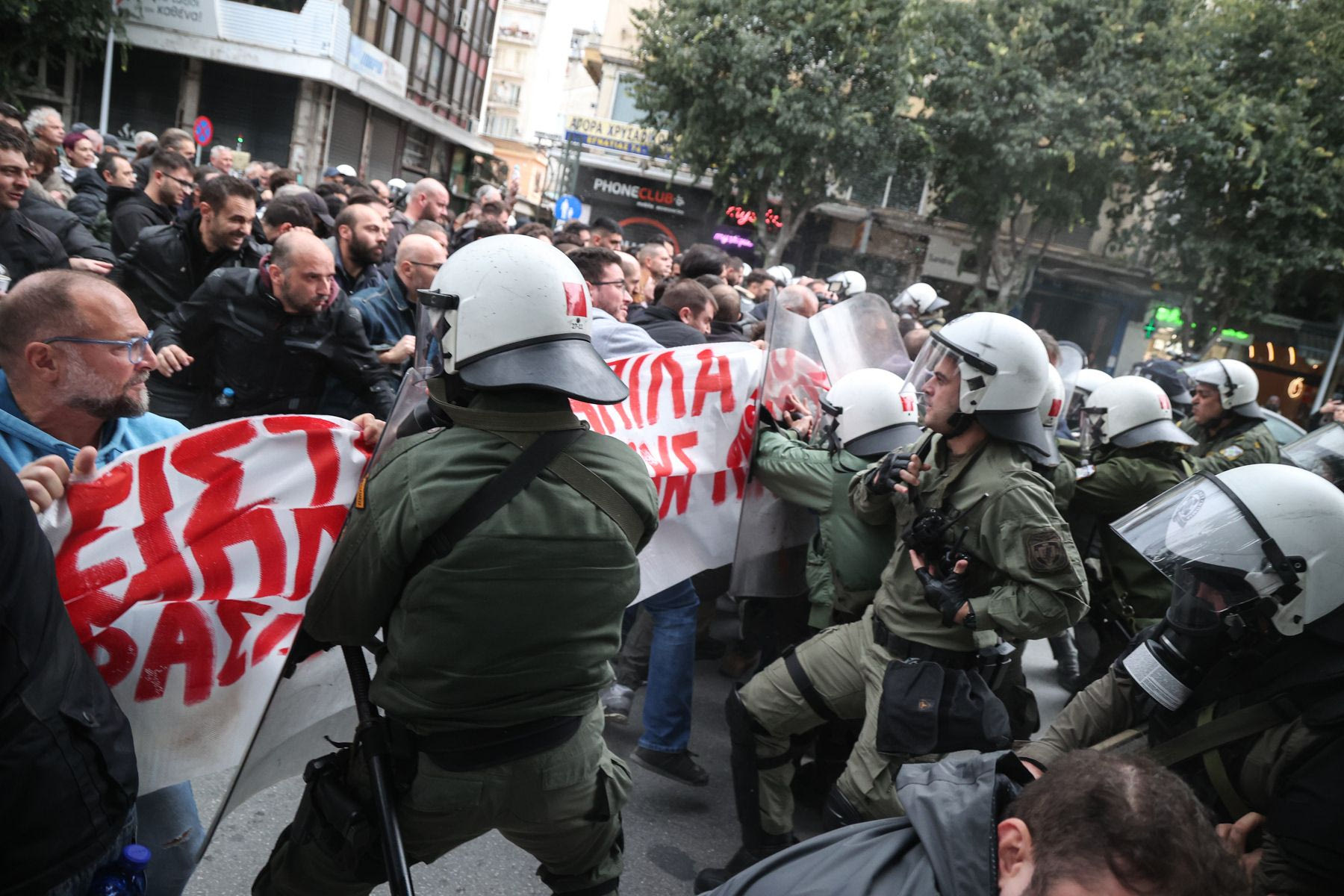
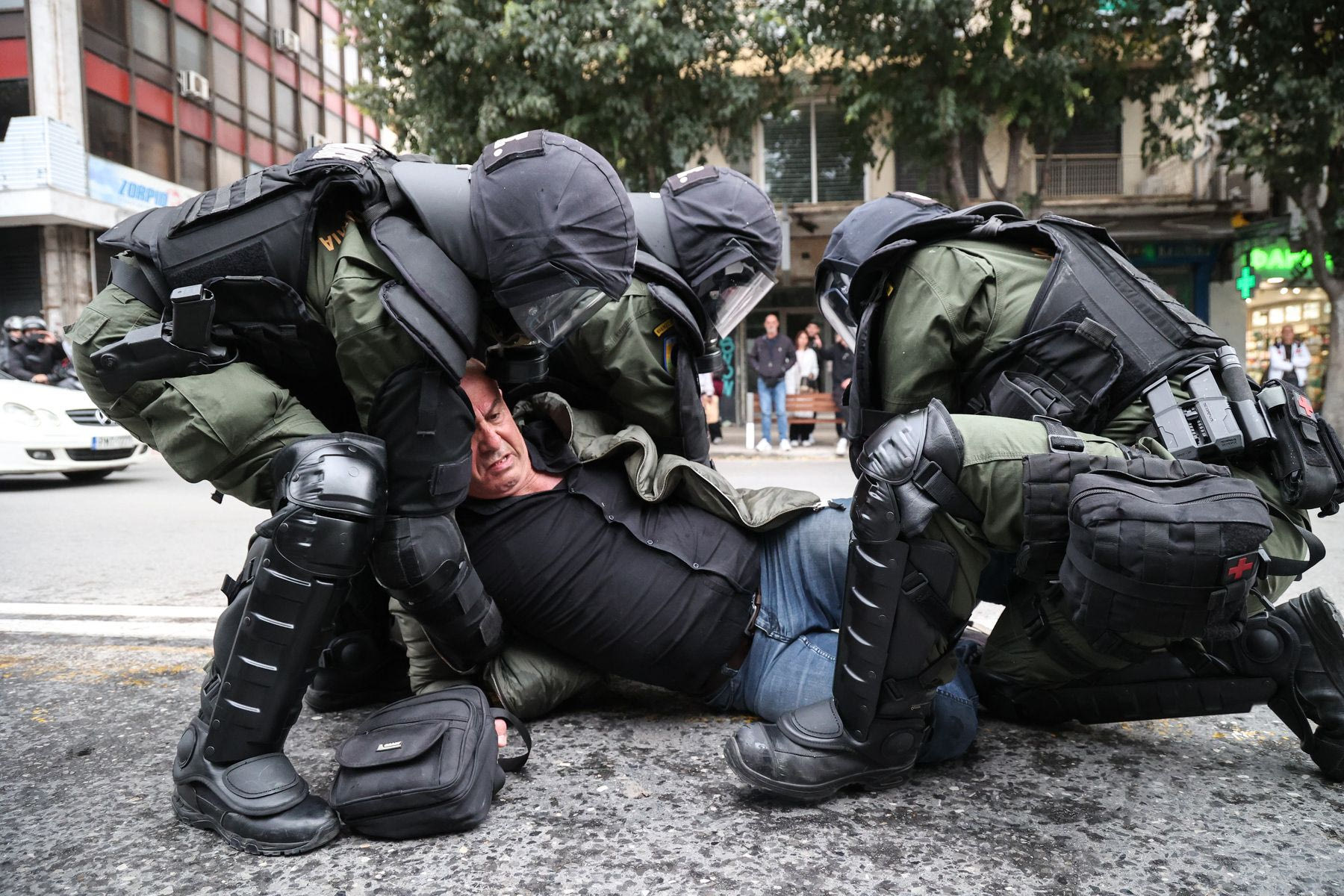
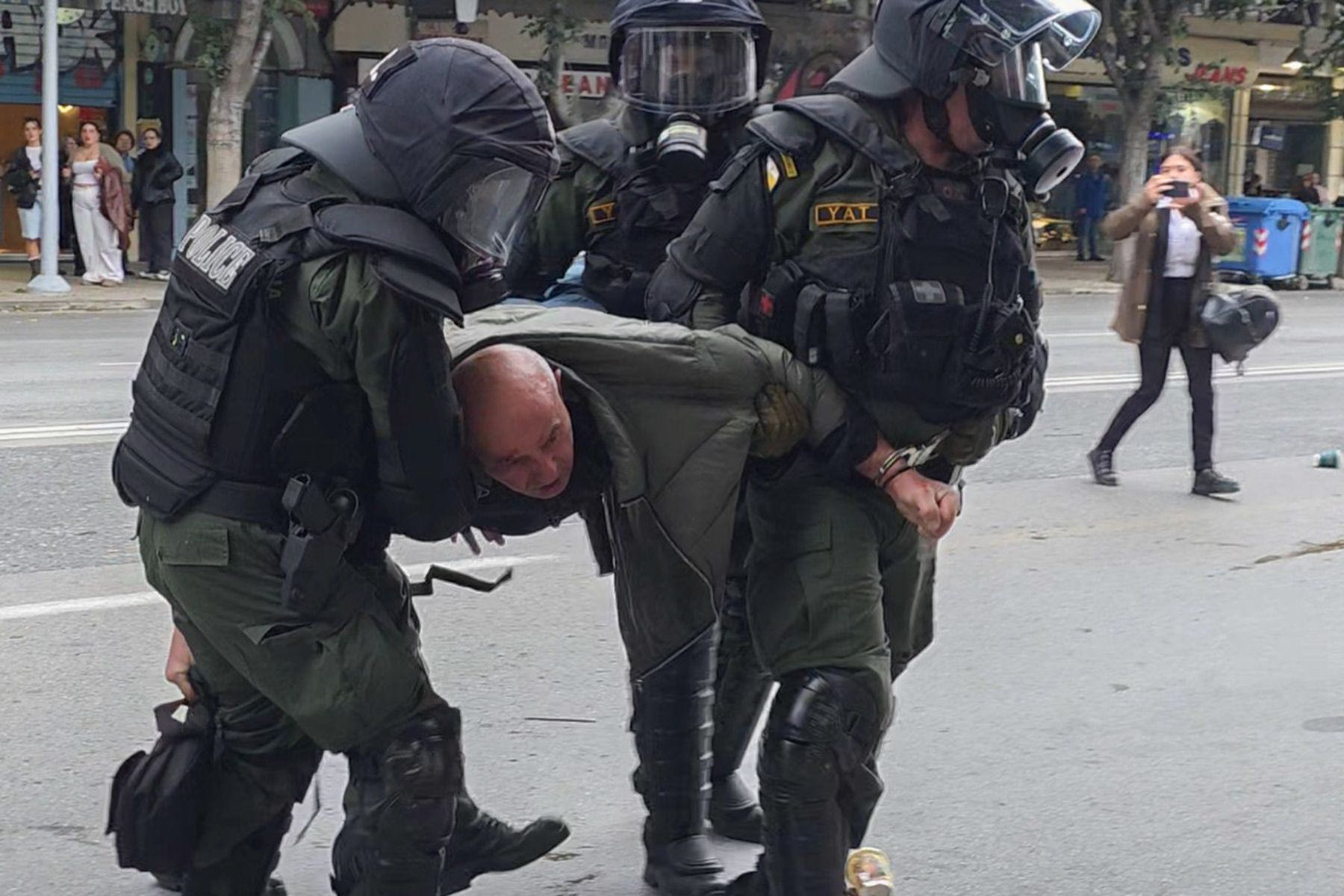
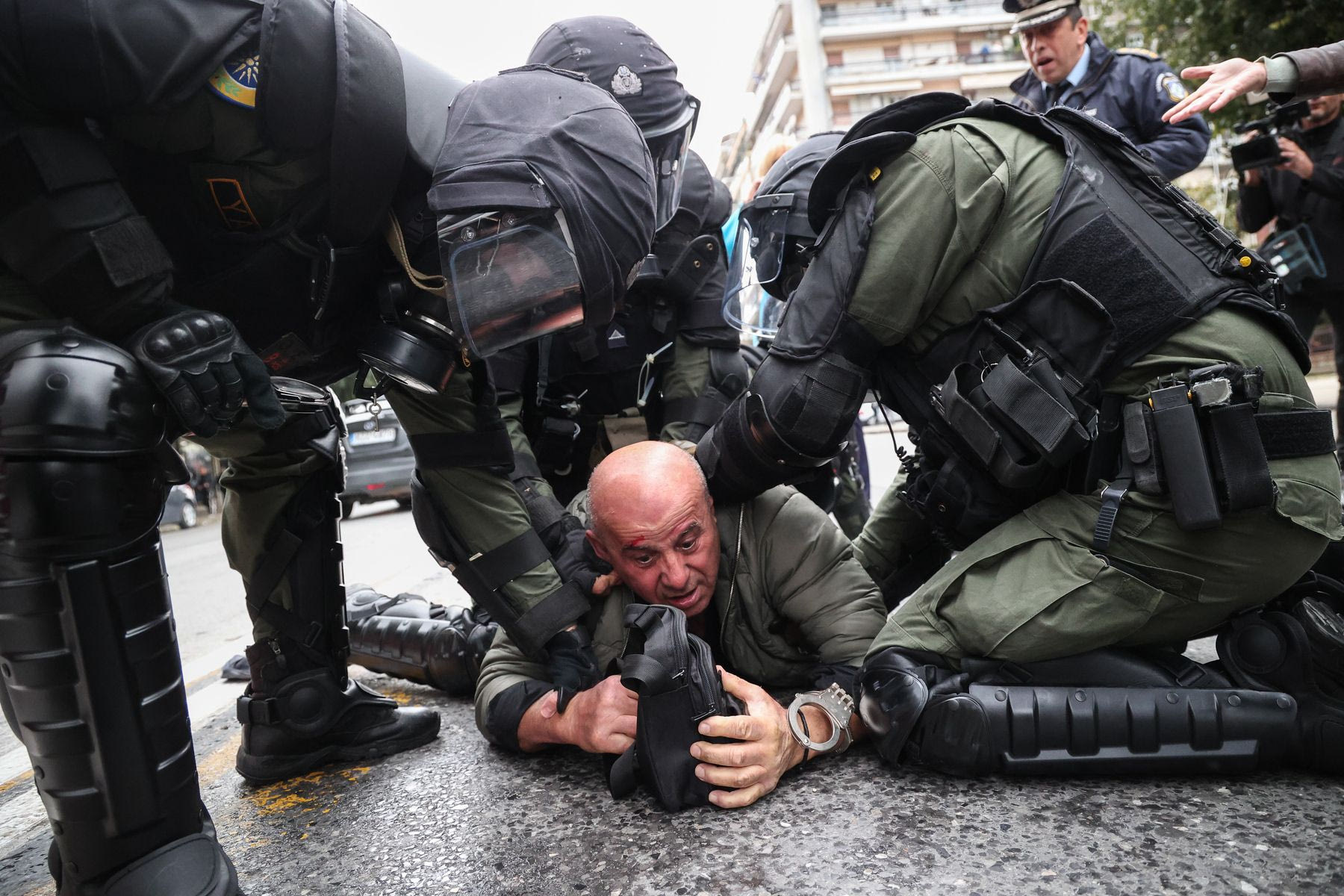
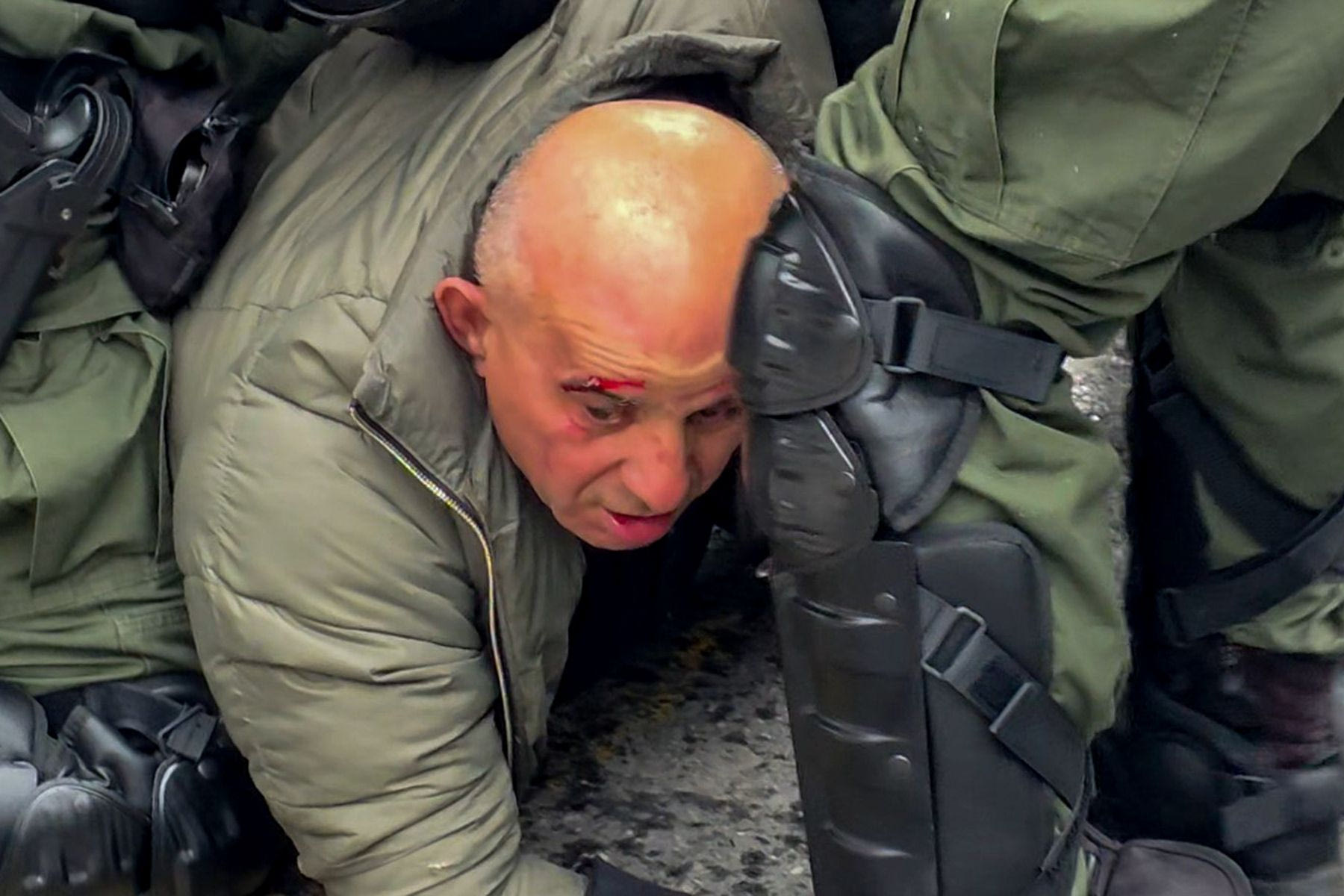
A violent police intervention followed, resulting in clashes with demonstrators.
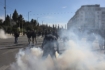
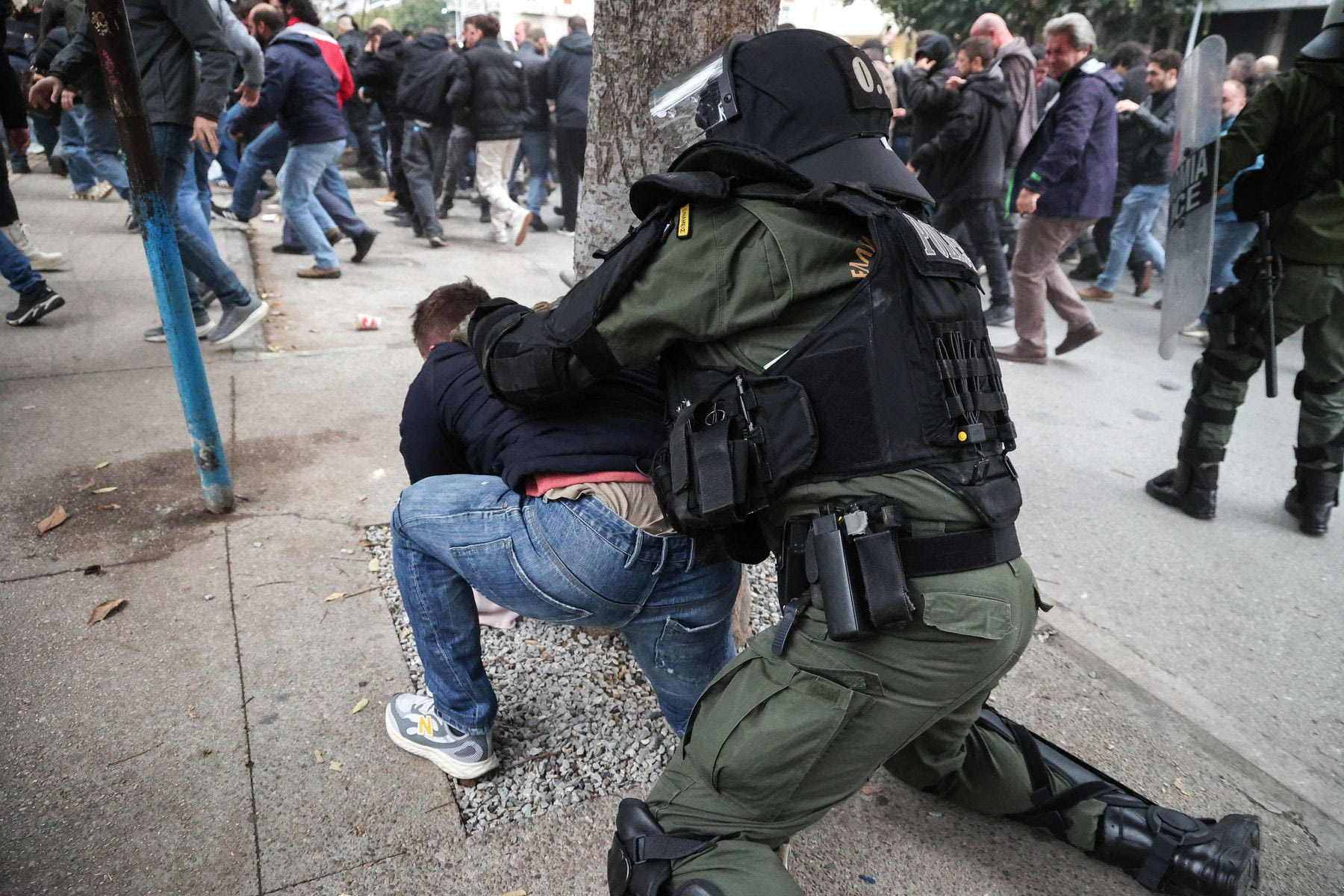
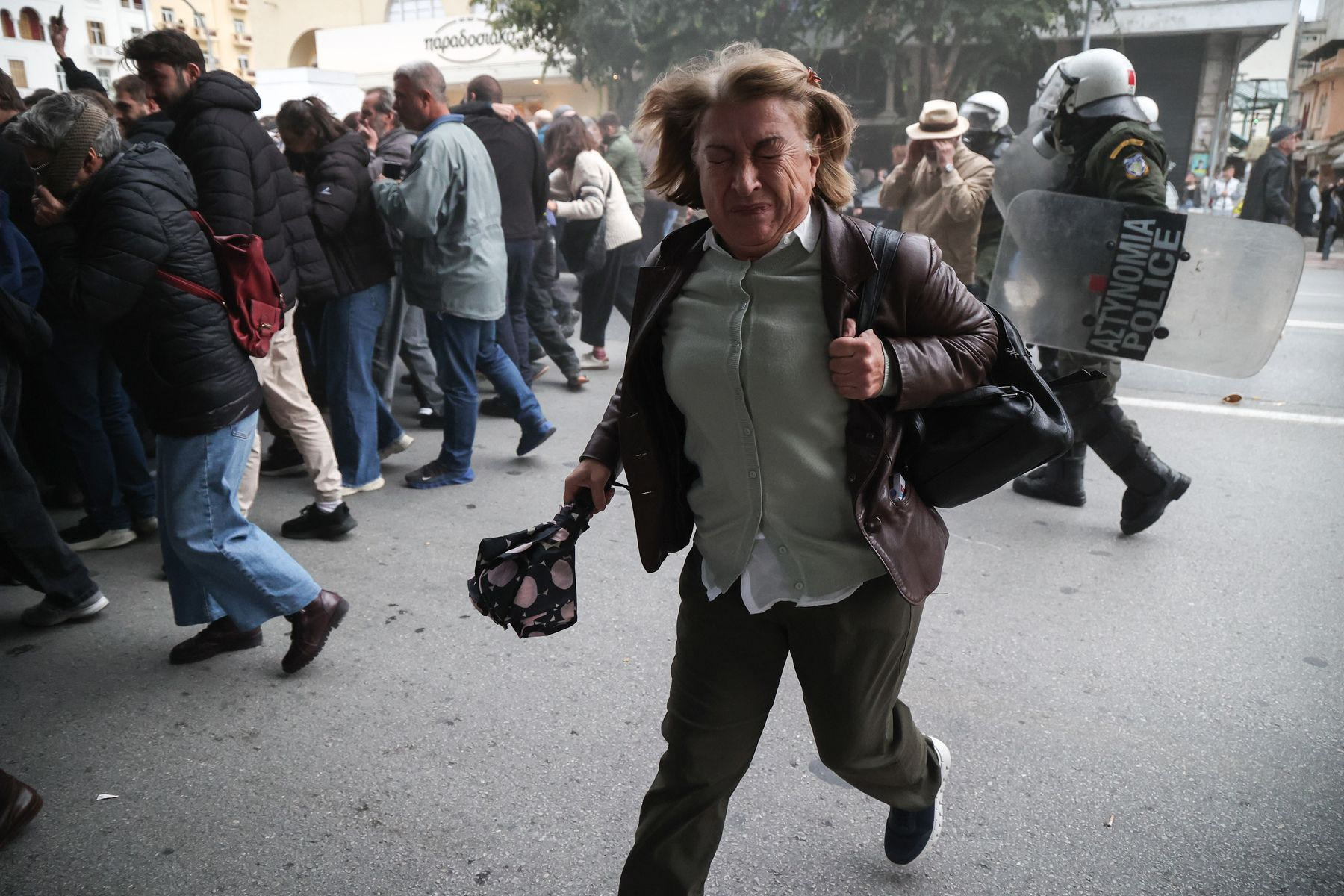
According to complaints from political parties and organisations participating in the protest, police used chemical irritants, tear gas and batons to disperse the march. Two people were also detained.
Despite what protesters described as an “orgy of repression”, the demonstration continued, with participants chanting anti-fascist slogans and declaring that Nazis were not welcome in Thessaloniki.
The two detainees were subsequently released without charge.
Photographic evidence of the riot police assault on the anti-fascist demonstration
PASOK: “Democracy does not fear peaceful protest”
PASOK has demanded answers from Minister of Citizen Protection Michalis Chrysochoidis over the police handling of the anti-fascist demonstrations in Thessaloniki on October 28, raising “serious questions” about the use of chemical agents, detentions and allegations of police violence against citizens and trade union members participating in the protests.
“Why was this particular operational approach chosen, and who issued the relevant orders?” the party asked in a statement, also demanding clarification on whether the use of force against demonstrators was necessary and proportionate.
PASOK also called on Chrysochoidis to make public “all the facts” concerning the events in Thessaloniki, stressing that political responsibility for operational planning and orders rests with the government and the leadership of the Ministry of Citizen Protection.
“Democracy does not fear peaceful protest,” the statement concluded.
KKE: “Tolerance, if not support, for fascist activity”
“The abhorrent and unacceptable decision by the New Democracy government to ban and subsequently launch a savage and unprovoked assault, using riot police and tear gas, in an attempt to break up the anti-fascist gathering organised by trade unions against the fascist rally of convicted Nazi criminal Kasidiaris in Thessaloniki amounts, at the very least, to tolerance, if not outright support, for his fascist activities.
“And all this on October 28, on the eve of the anniversary of Thessaloniki’s liberation by ELAS, whose fighters fought hand-to-hand against the Nazi occupiers!” the Communist Party of Greece (KKE) said in a statement.
“The New Democracy government, through its actions today, once again confirms that its policy of involvement in and preparation for war, in which it plays a leading role, goes hand in hand with the activities of various fascist elements operating with state backing.
“It is gravely mistaken. The labour movement has the strength and the ability to drive fascists back into their holes. It proved this again today by defying in practice the government’s bans, which were intended to protect the Nazi criminal,” the party added.
EL.A.S.: “The government has chosen a side”
Marinos Skandamis, the Citizens’ Protection spokesperson for EL.A.S., strongly criticised the government and the Ministry of Citizen Protection over their handling of what he described as “the provocative speech by Nazi Kasidiaris” in Thessaloniki.
“The brutal beatings and repression in Thessaloniki against those who gathered to protest the provocative speech by Nazi Kasidiaris, who has already been convicted of leading a criminal organisation, prove that the government has chosen a side,” he said in his statement.
“By treating those who fight against Nazism, fascism and their supporters as a threat to public order, the government sided with Kasidiaris and all those who, even today, defend the Nazi ideology that killed Greek patriots and exterminated millions of people around the world.
“The government and the Ministry of Citizen Protection have tarnished the day that symbolises resistance to and victory over Nazism and fascism.”
New Left: Police acted as sponsors of Kasidiaris’ speech
The New Left party was equally scathing, describing the police as “Kasidiaris’ sponsor”.
The party highlighted what it called the contradiction of allowing a political event organised by a person convicted in the Golden Dawn case to proceed while treating demonstrations against it as a threat to public order.
“In this way, Thessaloniki is being handed over to the fascists,” the New Left said.
SYRIZA: “The government is backing those nostalgic for Nazism”
SYRIZA accused the government of openly protecting those “nostalgic for Nazism”, condemning both the ban on demonstrations and the police intervention.
“Today, October 28, the government and the Minister of ‘Citizen Protection’ turned Thessaloniki into a city under siege in order to suppress demonstrations against the gathering organised by convicted neo-Nazi Ilias Kasidiaris,” the party said, among other remarks.
SYRIZA accused the government of choosing to protect the event rather than safeguard the right to anti-fascist protest.
Constitutional law professor Kontiadis invokes Lambrakis and Fyssas
Constitutional law professor Xenophon Kontiadis also intervened in the debate, drawing parallels between the police response and historical cases of far-right and neo-Nazi violence.
He recalled the murder of Grigoris Lambrakis in Thessaloniki, the killing of Pavlos Fyssas and the attack by Golden Dawn members on PAME trade unionists, sharply criticising Wednesday’s events in Thessaloniki.
He wrote:
“When para-state operatives murdered Grigoris Lambrakis in Thessaloniki, the police were right there, watching without intervening.
“When, fifty years later, Golden Dawn members surrounded and murdered Pavlos Fyssas in Amfiali, police officers watched discreetly.
“When, a few days earlier, those same Golden Dawn members attacked and seriously injured PAME trade unionists in Piraeus, police officers were drinking coffee across the street.
“When a demonstration against Kasidiaris takes place today in Thessaloniki, at the very location where he is preparing to deliver an important speech, riot police brutally beat the protesters.
“Many more examples could be cited, but they are known to everyone.”
“We will not allow Nazi crimes to be covered up”
The Pavlos Killah P Fyssas Cultural Association expressed its support for those participating in the anti-fascist demonstrations, describing the events as “another instance of state support for the fascist far right”.
“We will not allow institutional tolerance and the cover-up of Nazi crimes. United against the resurgence of the Nazis!” the association said in a statement.
The Movement United Against Racism and the Fascist Threat (KEERFA) adopted a similar position, accusing the police of intervening in the march to protect Kasidiaris’ event.
The organisation stated:
“Riot police attack in Thessaloniki to protect Kasidiaris. Despite the riot police assault on the anti-fascist march, called by the Thessaloniki Labour Centre, left-wing organisations, PAME and KEERFA, demonstrators remain at the Venizelos statue.
“Chrysochoidis’ police are providing cover for Nazi Kasidiaris’ event and launched a savage assault on demonstrators, beating them with batons and using chemical agents and stun grenades.
“It is time to escalate the struggle to put an end to the government responsible for the deaths at Tempi, Pylos and Violanta, which provides cover for Kasidiaris’ Nazis.
“On October 28, the government of the descendants of collaborators and Hitler’s accomplices delivered its own dark ‘NO’ to the working class and young people, and a ‘YES’ to the Nazis. Shame!
“We demand that riot police withdraw so the march can proceed and that those arrested be released.
“This fascist provocation comes just days after fascist knife attacks against an anti-fascist activist in Elefsina and an Egyptian student at the 6th Evening School in Metaxourgeio.
“Neither in Thessaloniki nor anywhere else: crush the fascists in every neighbourhood.”
Chrysochoidis: “It would have been illegal for police to cancel Kasidiaris’ gathering”
Minister of Citizen Protection Michalis Chrysochoidis responded to criticism over the decision to allow Ilias Kasidiaris’ event to take place on October 28, arguing that the police had no legal authority to ban it because it was being held indoors.
According to the minister, the Hellenic Police had initially approached the judicial authorities requesting that the gathering not be permitted. However, he said the presiding judge of the Thessaloniki Court of First Instance responded that “we cannot ban a gathering that takes place in an enclosed venue”.
“In other words, it would be illegal for the police to cancel it,” Chrysochoidis said, adding that the issue should be examined and, if deemed necessary, changes made to the existing legal framework.
Addressing the decision to ban outdoor gatherings in part of central Thessaloniki, the minister argued that the measure had been adopted to prevent potential clashes between opposing groups.
As he explained, the ban was imposed “from one part of Thessaloniki to another, to prevent clashes between the two sides”.