From Pylos to Gaza: Didier Fassin on How We Learned to Tolerate Death
Διαβάζεται σε 10'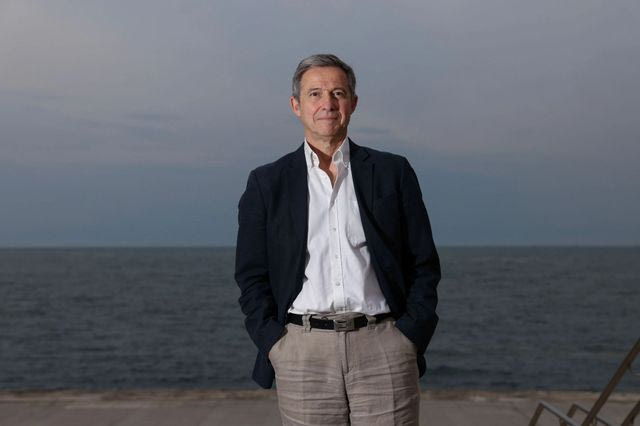
The distinguished French physician, sociologist and anthropologist speaks to NEWS 24/7.
- 17 Ιουλίου 2026 13:40
Didier Fassin did not begin his career as a social scientist, but as a physician.
He studied medicine in Paris and worked as an internist. Yet his experience in countries such as Tunisia, Senegal and India gradually led him away from clinical practice and towards anthropology.
Since then, he has devoted his work to examining power, inequality, migration, policing, punishment and the moral dimensions of politics.
Today, Fassin is widely regarded as one of the world’s leading contemporary anthropologists.
He is Professor at the Collège de France, where he holds the Chair in Moral Questions and Political Issues in Contemporary Societies.
His research is deeply engaged with Michel Foucault’s thought. This year, he is also curating the Collège de France’s major exhibition marking the centenary of the French philosopher’s birth and has published the book Ainsi pensait Michel Foucault.
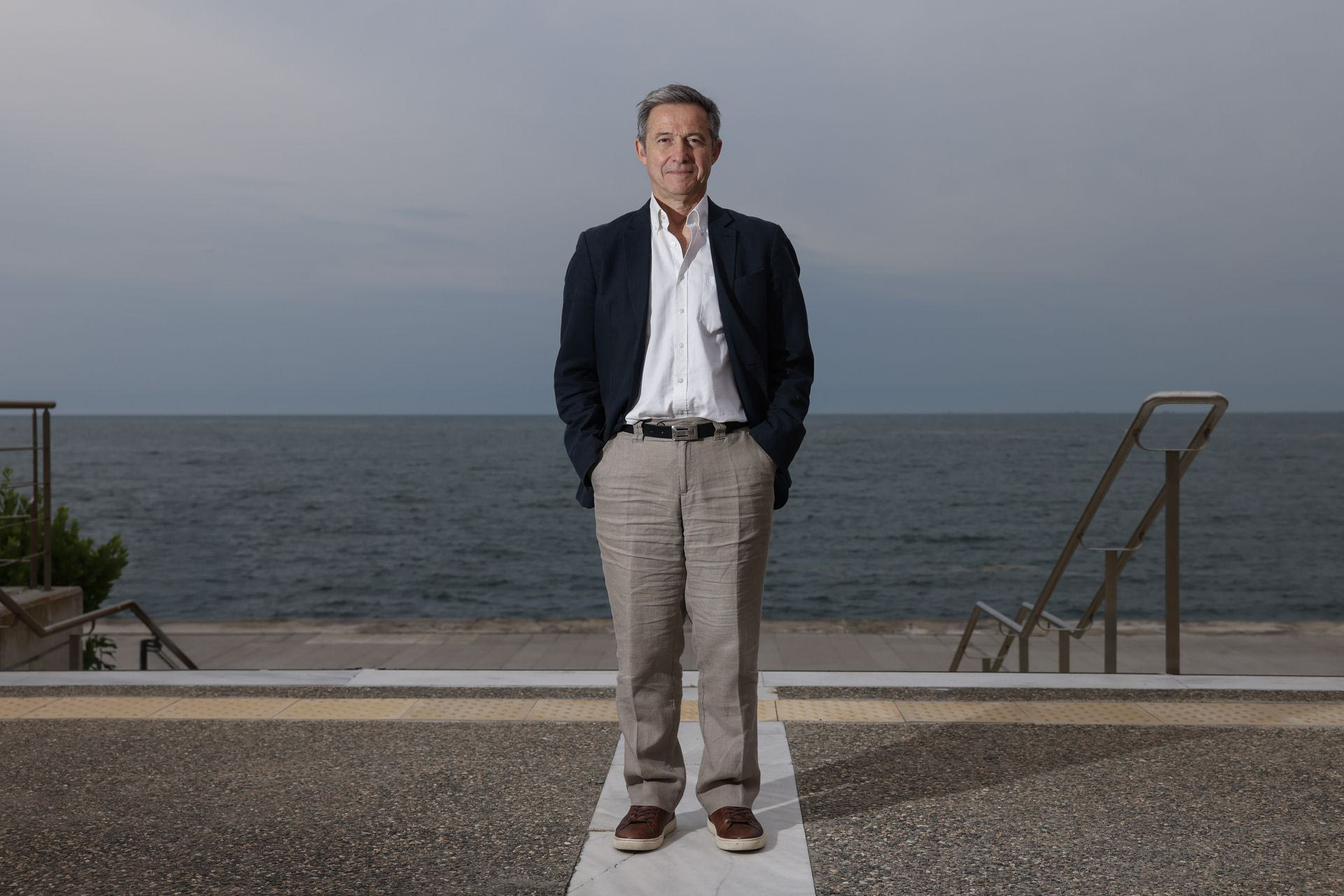
We met him in Thessaloniki on the occasion of his lecture at the Thessaloniki Concert Hall.
Our conversation ranged across some of the defining issues of our time: migration and Europe’s borders, the war in Gaza, the concept of biopolitics, police violence, and the ways societies decide which lives are worthy of protection—and which are not.
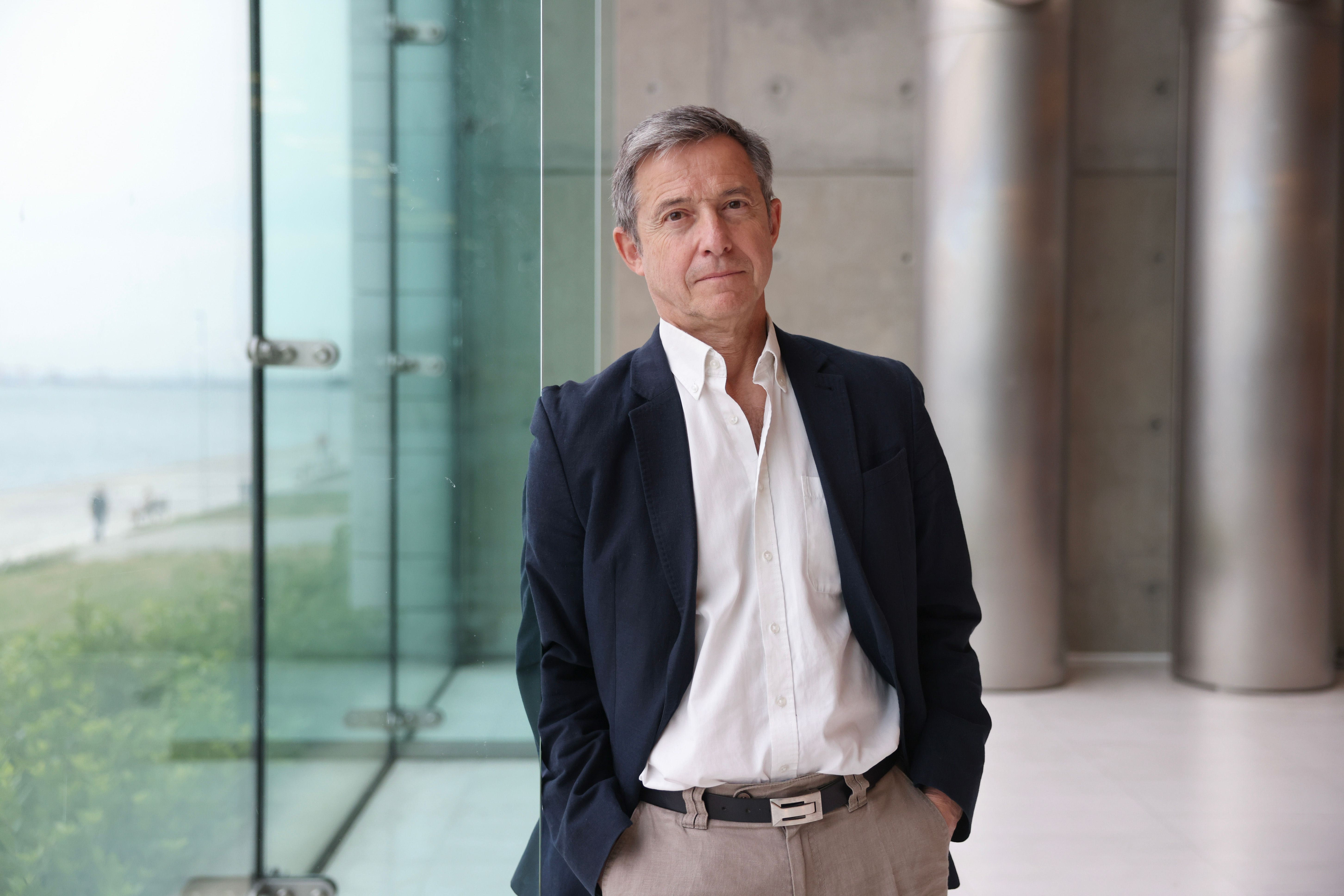
You have argued that our era has shifted from a politics of rights to a politics of compassion. After Pylos and Gaza, we witnessed large-scale public mobilisations but very few institutional changes. Is this an example of humanitarianism functioning as a substitute for political responsibility?
During the 1990s and 2000s, I conducted a series of studies in France, Venezuela, South Africa and the Occupied Palestinian Territories on how societies responded to the plight of migrants, asylum seekers, victims of natural disasters, AIDS orphans and adolescents involved in the Intifada.
Across these very different contexts, compassion and humanitarian assistance were the prevailing response. At the time, I coined the term humanitarian government to describe this historical moment, in which moral sentiments entered the political sphere, often at the expense of forms of thought and action more firmly grounded in justice.
In the following period—the 2010s and 2020s—the attitude of political leaders, and more broadly of Western societies, underwent a profound reversal. We moved from a politics of compassion to a politics of repression. Walls and barbed-wire fences were erected, camps were established, boats carrying displaced people were pushed back to prevent them from reaching Europe, and even humanitarian organisations were obstructed from providing assistance.
This hardening of policy is visible across the board: in the treatment of the poor and the unemployed, of minorities and foreigners. Today, the dominant mode of governance is one centred on security.
The Pylos shipwreck and the destruction of Gaza both belong to this political moment, in which state violence is met with widespread indifference in our societies: indifference towards exiles who drown just off our shores because they are denied rescue, and towards Palestinians who are being massacred with weapons supplied by our own countries.
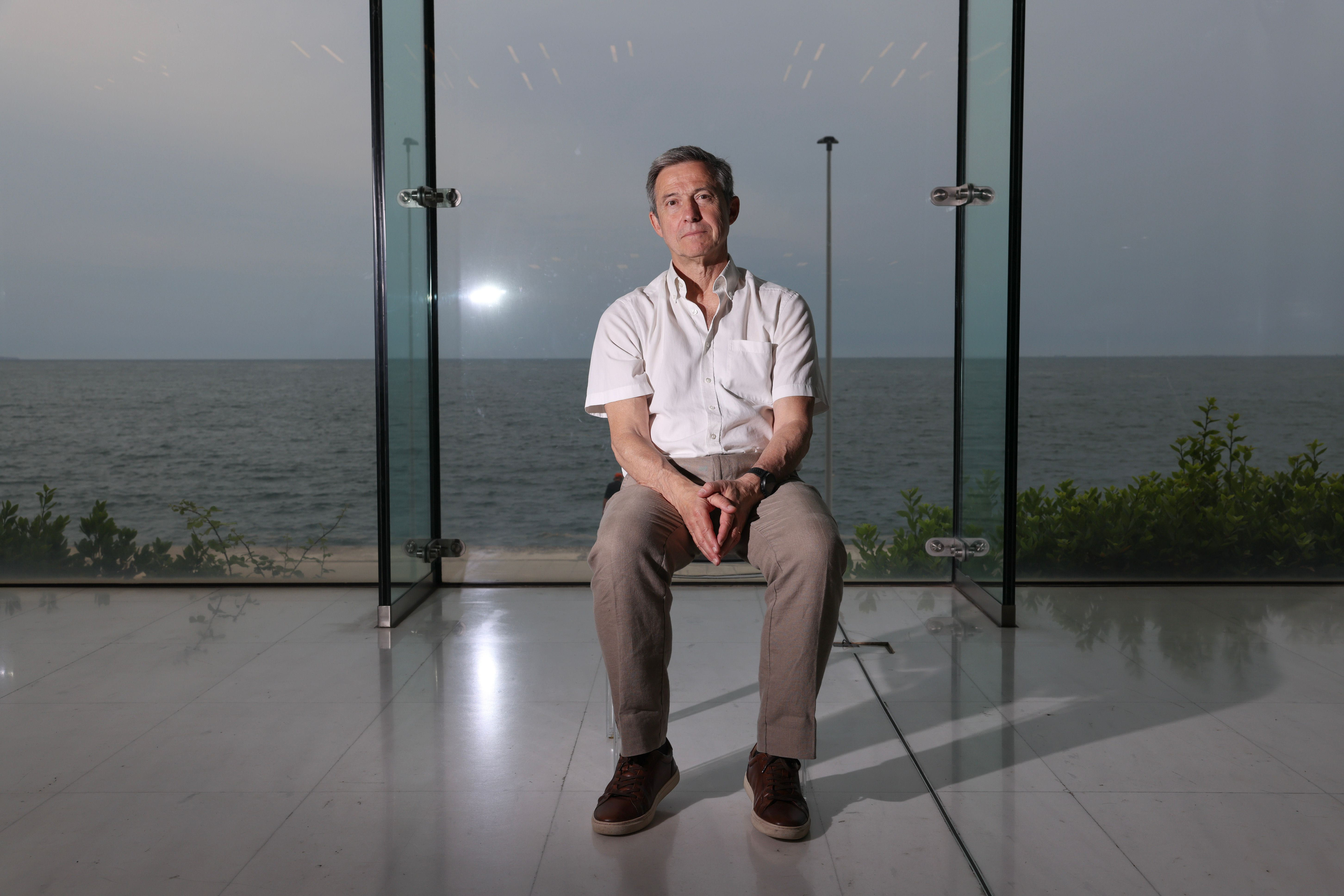
Do symbols, such as the watermelon, strengthen the Palestinian cause, or do they risk depoliticising it?
The issue is not one of symbols. It is one of politics.
What is at stake is the inaction of European governments—with very few exceptions, most notably Spain—in the face of what an independent United Nations committee has described as genocide. It is also about the sanctions imposed on those who seek to defend international law, the rights of the Palestinian people and human rights in Palestine.
History will remember the complicity of our countries—Greece, France, Germany, the United States and many others—in the crimes committed by Israel: the destruction of an entire territory, the killing of civilians, and the slow death of children.
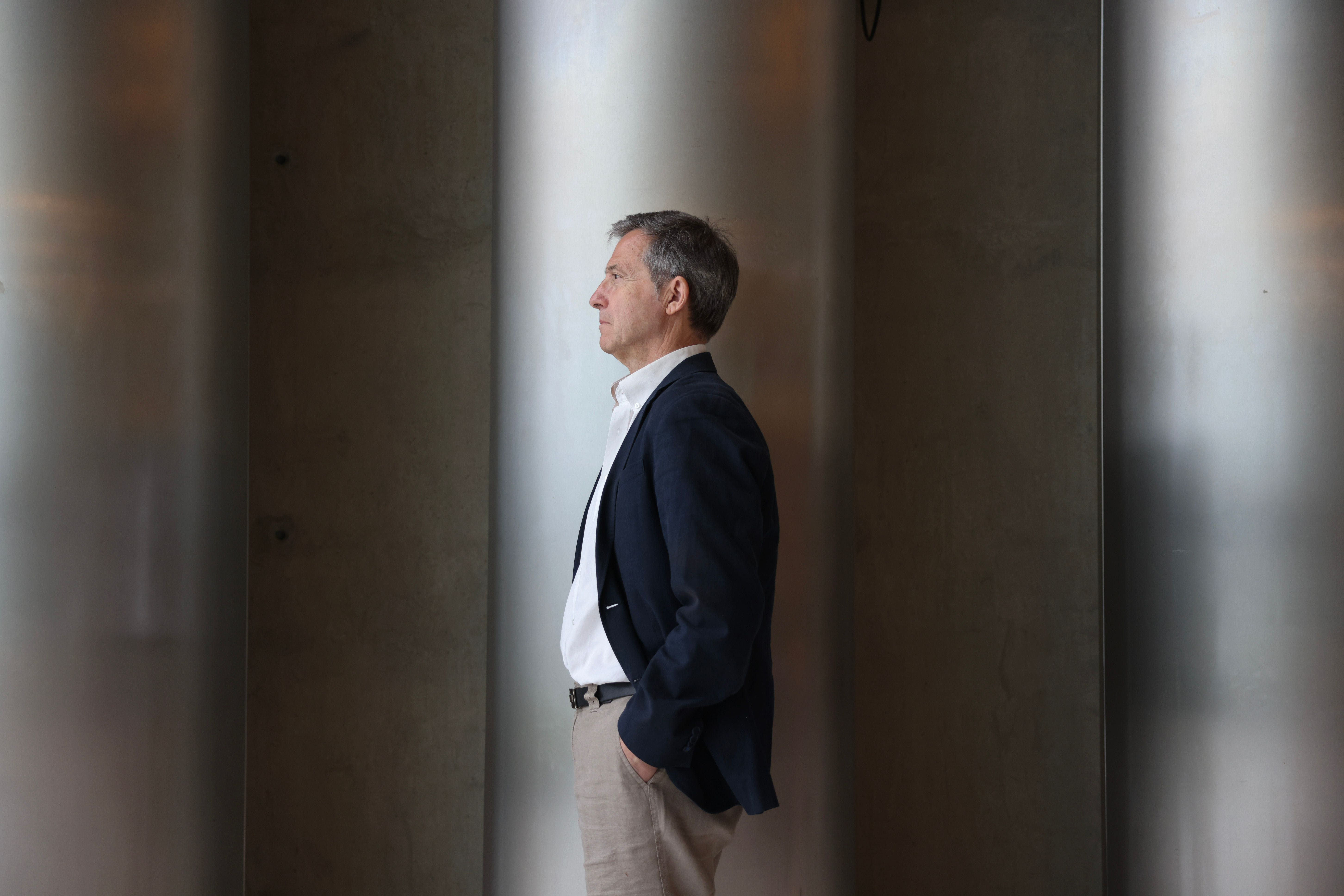
From Thessaloniki, we are only a few hours away from Evros, one of Europe’s most important external borders. How do you explain the different treatment of Ukrainian refugees compared with Syrian or Afghan refugees? Is this primarily a matter of geopolitics, or does it reflect a moral hierarchy in the value assigned to human lives?
Greece and Croatia have been described by the President of the European Commission as the bulwarks of the European Union. Indeed, they are the two main entry points into European territory for people travelling along the Balkan route.
At these two borders, police and military violence is both the most pervasive and the best documented. People attempting to cross are arrested, beaten, humiliated and terrorised before being pushed back, often after having all their belongings—and even their clothes—taken from them.
The European Union turns a blind eye to these practices. Its officials have even praised both countries for their hard-line approach towards these new “enemies” at Europe’s borders, while remaining silent about the brutality that accompanies it.
Yet this treatment is directed almost exclusively at women and men from the Middle East and North Africa. The Afghans, Iranians and Moroccans I met during my research all described these abuses and humiliations.
Ukrainians, by contrast, were welcomed generously because they are perceived as being physically, culturally and religiously similar to us.
So this is not primarily a question of geopolitics. It is a question of racism, including anti-Muslim racism.
The clearest evidence of this is Bosnia. As the only European country with a Muslim-majority population through which exiles travel, it is also the country where they consistently told me they were treated best. And almost everyone travelling along the Balkan route is Muslim.
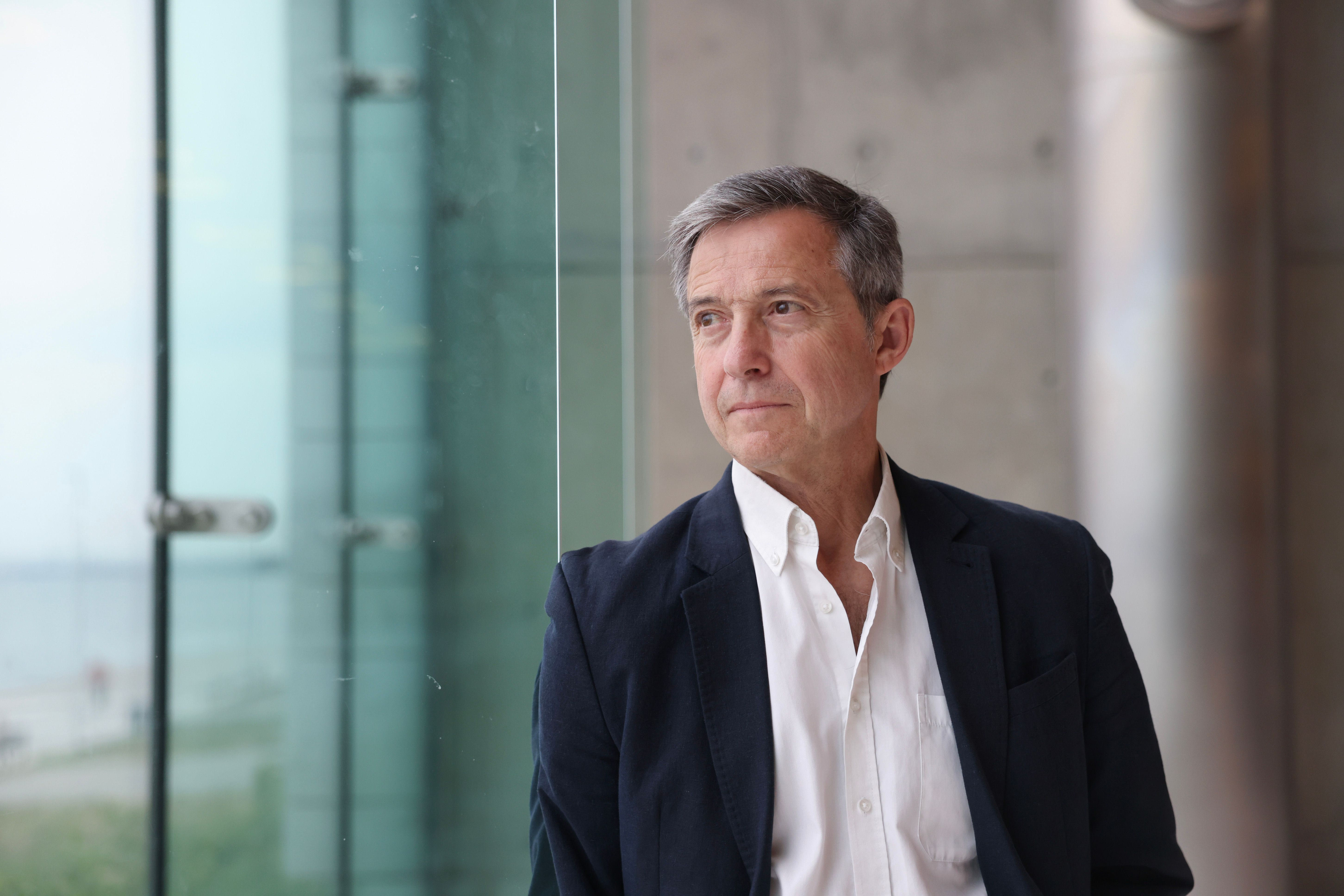
At Europe’s contemporary borders, we are witnessing not only the management of populations but also a hierarchy in the value assigned to human lives. Is this an extension of Foucault’s concept of biopolitics, or does it point to something he himself did not anticipate?
Biopolitics, as Michel Foucault defined it, concerns the government of populations: the ways in which demography and epidemiology measure them, and the ways in which birth control and border surveillance shape their evolution.
But it is not concerned with life itself.
That is why, several years ago, I proposed shifting our attention to the politics of life—that is, to the ways we understand life and the ways we treat lives.
This distinction in grammatical number is fundamental.
I argued that, over the centuries, Western societies have attributed ever greater value to life in the singular, elevating it to the highest good to be protected.
At the same time, however, they have produced enormous inequalities between lives in the plural. In France, for example, the life expectancy of the wealthiest 5 per cent of the population is thirteen years higher than that of the poorest 5 per cent.
These questions were not part of Foucault’s intellectual agenda. For me, however, they are among the defining features of the contemporary world.
The families of those killed in the Tempi railway disaster succeeded in turning a tragedy into one of the most significant political events in contemporary Greece. What allows some victims to become political actors demanding justice, while other tragedies remain confined to the realm of public compassion?
A tragedy affecting members of the national community usually elicits feelings of empathy towards the victims and their families.
For public authorities—who are often the target of criticism—it is important to display compassion: to meet with the families, to send teams of psychologists to the site of the disaster. At the same time, the media often reinforce this dynamic by amplifying emotional testimonies, supported by the commentary of experts.
As our research has shown, however, one of the main challenges for victims themselves is not to become trapped within this cycle of compassion, even though compassion is a necessary emotion.
To pursue justice, they often need to organise collectively, both to assert their rights and to hold those responsible accountable before the courts.
In this way, such collective movements are able to politicise empathy.
When a member of a marginalised community—such as the Roma in Greece or residents of deprived urban neighbourhoods—is the victim of police violence, public debate often shifts from the violence itself to the victim’s past. What does this impulse to morally judge the victim tell us about contemporary democracies?
The Roma are the most despised and mistreated population in Europe. They are subjected to the crudest prejudices and the most pervasive forms of discrimination.
When they become victims of police violence, every effort is made to cast doubt on them rather than on those responsible for the violence.
This is precisely what I found in my research into the death of a Roma man who was killed by an elite unit of the French gendarmerie.
More broadly, however, law enforcement agencies in most countries around the world operate, in practice, above the law they are supposed to enforce.
When they kill—even outside the bounds of legitimate self-defence—they almost always enjoy impunity.
By contrast, the person who has lost their life becomes the subject of official statements about their criminal record, sometimes based on false information, in order to portray them as morally questionable and, ultimately, as someone whose death matters less.
In this way, the moral evaluation of individuals—even when founded on falsehoods—becomes decisive in shaping how they are perceived and in determining the value attached to their lives.