Macron – Mitsotakis: “Cyprus is not alone”
Διαβάζεται σε 7'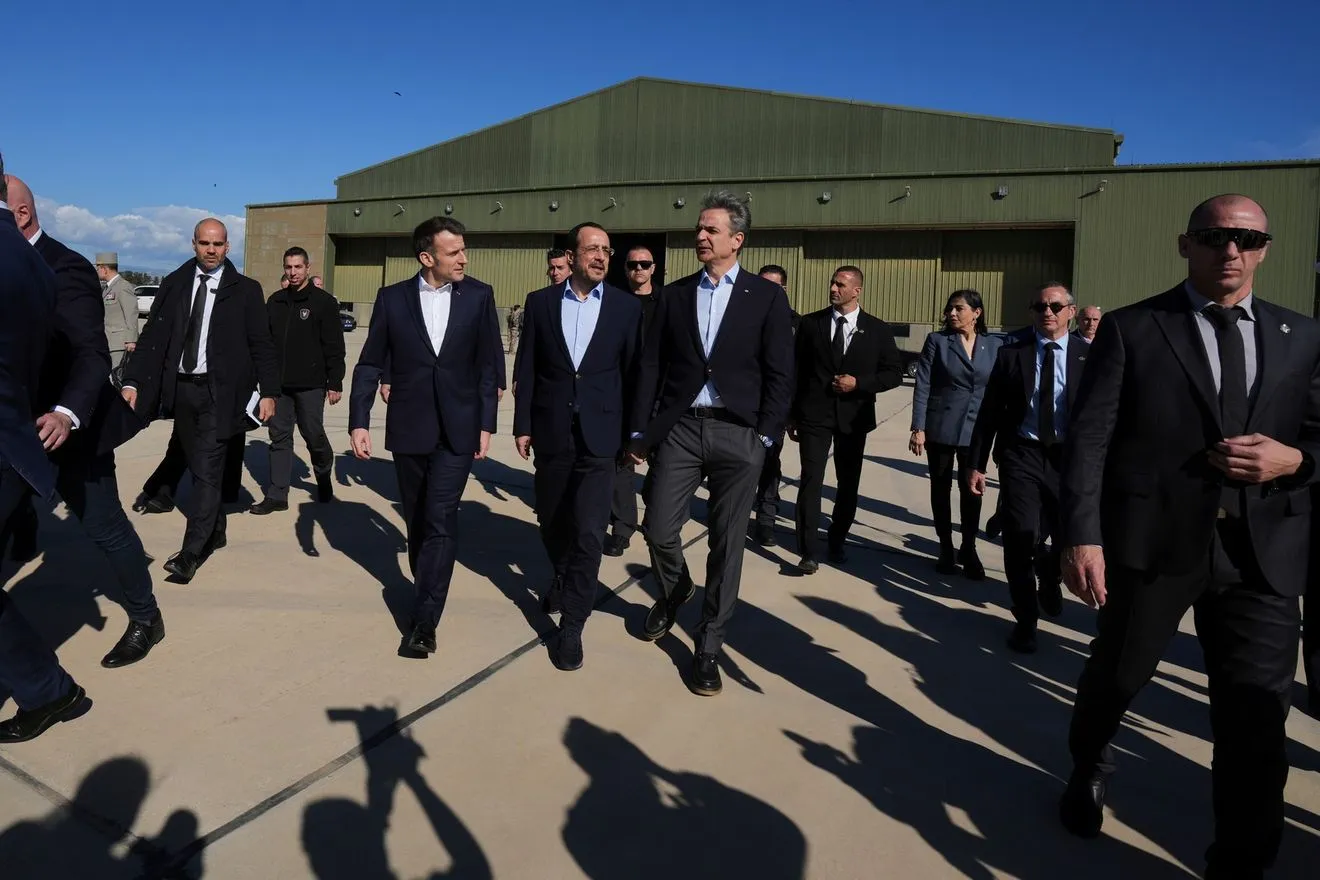
A message calling for the European Union to “wake up” militarily and diplomatically was sent by Emmanuel Macron, Kyriakos Mitsotakis, and Nikos Christodoulides.
- 09 Μαρτίου 2026 22:25
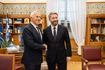
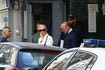
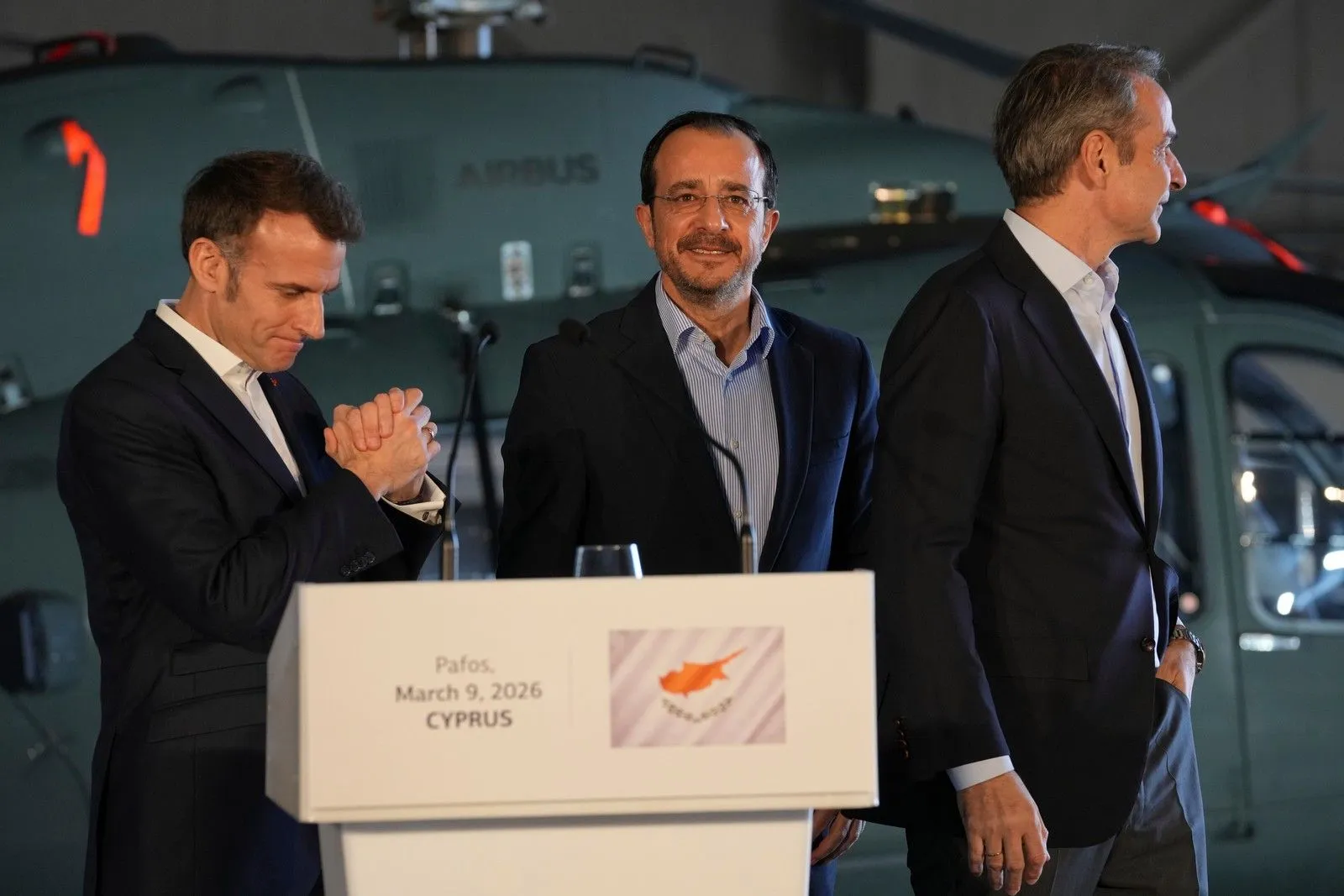
The Prime Minister of Greece, Kyriakos Mitsotakis, the French President Emmanuel Macron, and the President of Cyprus Nikos Christodoulides sent a clear message that Cyprus is not alone from the Andreas Papandreou Air Base in Paphos, amid the escalation of the war in the Middle East.
“When someone attacks Cyprus, they attack Europe,” Macron said.
“The Republic of Cyprus, as a member of the European family, is not and will never remain alone,” Mitsotakis emphasized.
“Greece, France and Cyprus send a clear message: Europe stands united and determined to ensure the security of its member states and to work for stability in the Middle East,” Christodoulides said.
The three leaders also stressed the need for Europe to become more alert both militarily and diplomatically. They clarified that the actions of their countries and the EU are defensive and peaceful, but indicated that Europe is willing to become more actively and strategically involved in the Middle East. They also highlighted their concern for peace in Lebanon.
Macron essentially announced a new defensive mission involving two French frigates to the Strait of Hormuz, emphasizing the importance of freedom of navigation.
He also expressed concern—along with Mitsotakis and Christodoulides—about the possible economic consequences of the war with Iran, particularly regarding energy. Macron said the issue would be discussed within the G7, while Mitsotakis pointed to the risk of increased migration flows.
Mitsotakis: Article 42.7 of the EU Treaty is effectively being activated
Mitsotakis said the leaders were sending “a clear, strong and determined message of unity and solidarity.”
Addressing Christodoulides, he said: “A clear message, dear Nikos, that the Republic of Cyprus, a member of the European family, is not and will never remain alone.”
He reminded that Greece had made the security of Cyprus a top national priority since the beginning of the crisis and stressed that Cyprus’ security is an integral part of European security and a factor of stability in the Eastern Mediterranean.
He also said that other partners quickly showed support, especially France, adding that strategic agreements are not just symbolic documents but are tested in practice.
Mitsotakis noted that Spain and Italy also joined in solidarity, reflecting the essence of European defense under Article 42(7) of the EU Treaty, which provides for mutual assistance among EU member states.
“In practice, Article 42(7) of the EU Treaty is being activated,” he said, adding:
“If not now, when? If we do not act together in such a crisis, how will we face threats in the future?”
He stressed that every inch of European territory is inviolable.
Mitsotakis: Our moves are purely defensive
Mitsotakis clarified that the actions being taken are purely defensive and not aimed at military escalation.
“Our goal is exclusively defensive protection,” he said, adding that Europe cannot allow any part of its territory, such as Cyprus, to be placed at risk.
He also warned about the uncertain consequences of the war involving Iran, especially for energy markets, shipping, trade, and prices. He stressed that freedom of navigation is essential for the prosperity of European societies.
He referred to the EU naval operation Operation Aspides, aimed at protecting shipping routes, and called on more European partners to strengthen it with additional naval assets.
Mitsotakis also warned that conflicts in the region often lead to population movements, urging Europe to prepare for asymmetric threats, including possible large refugee flows.
Macron: “When someone attacks Cyprus, they attack Europe”
Macron said he was standing alongside Greece to send a message to Cyprus that an attack on Cyprus is an attack on Europe.
He said the French military presence demonstrates France’s full solidarity with Cyprus, which he said had been targeted by drones and missiles.
He reminded that France had already deployed the frigate FS Languedoc, Mistral air-defense systems, and positioned the aircraft carrier French aircraft carrier Charles de Gaulle near Cyprus to reinforce the island’s defense.
He also pointed out that the Greek frigate HS Kimon sent to the region is a Belharra-class French-built warship, highlighting the strategic and industrial partnership between Greece and France.
Macron also referred to recent attacks attributed to Iran against countries in the Persian Gulf, including partners such as the United Arab Emirates, Kuwait, and Jordan, expressing France’s solidarity with them.
He confirmed discussions with Benjamin Netanyahu, Prime Minister of Israel, and with Egypt.
Macron announces new “peace mission” in the Strait of Hormuz
Macron said Europe is preparing a new defensive escort mission in the Strait of Hormuz, which will accompany commercial ships and tankers to ensure trade routes remain open.
“This will be a peaceful defensive mission necessary to safeguard the global economy,” he said.
He added that France will maintain strong naval presence in the Mediterranean Sea, the Red Sea, and the Strait of Hormuz, with eight frigates, the aircraft carrier Charles de Gaulle, and amphibious units.
Macron also warned about the dangerous situation in Lebanon, condemning attacks by Hezbollah but also urging Israel to stop strikes in Lebanon to restore the country’s sovereignty and stability.
He concluded by saying that a Europe capable of defending itself is no longer just rhetoric but is now becoming reality.
Christodoulides: Cyprus’ security is Europe’s security
Earlier, President Nikos Christodoulides thanked Macron and Mitsotakis for their presence in Cyprus, saying it carried strong symbolic and practical significance.
He stressed that Cyprus’ security equals Europe’s security and is therefore a collective responsibility.
Christodoulides said that Greece, France, Spain and Italy demonstrate in practice what European solidarity means and contribute to stability and security in the Eastern Mediterranean.
He added that developments in the Middle East directly affect European security, energy stability and migration flows, influencing Europe’s collective future.
Christodoulides emphasized that Cyprus is not participating in military operations, remaining focused on its humanitarian role and acting as a bridge between Europe and the region.
He also recalled that Cyprus has lived under the consequences of war for decades following the Turkish invasion of Cyprus (1974), stressing that peace remains the ultimate goal.
He concluded:
“Greece, France and Cyprus send a clear message: Europe stands united and determined to ensure the security of its member states and to work for stability in the Middle East. In times like these, unity is not just a value—it is Europe’s strength.”