Energy costs soar as heatwave and Middle East tensions drive up prices
Διαβάζεται σε 5'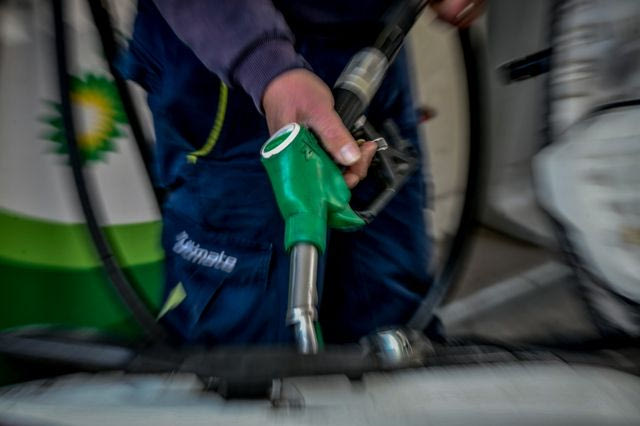
Rising demand and geopolitical uncertainty are pushing electricity and fuel prices higher, increasing pressure on households and businesses.
- 18 Ιουλίου 2026 10:14
Developments in the Middle East continue to send shockwaves through global energy markets, as ongoing military tensions between the United States and Iran fuel concerns over energy security and supply disruptions.
The uncertainty comes at a time when demand is already running high. Summer travel is boosting fuel consumption, while soaring temperatures are driving up electricity use as households and businesses rely heavily on air conditioning.
The result has been renewed upward pressure on natural gas prices and wholesale electricity markets, creating fresh challenges for consumers and companies alike.
Natural gas prices add pressure to electricity markets
International natural gas prices have risen sharply, with benchmark contracts at the Dutch TTF hub closing the week above €57 per megawatt-hour, up more than 41% month-on-month and over 17% in just one week.
The increase has been attributed both to escalating geopolitical tensions in the Middle East and to European countries stepping up efforts to replenish gas reserves ahead of winter.
At the same time, fears of potential disruptions to liquefied natural gas (LNG) flows from the region have intensified competition between Europe and Asia for available cargoes, further driving up procurement costs.
The surge in gas prices is feeding directly into electricity markets, where gas-fired power plants continue to play a major role in setting wholesale prices. Meanwhile, the prolonged heatwave is significantly increasing electricity demand, placing additional strain on the system.
Electricity bills in focus ahead of August tariffs
Against this backdrop, Greece’s wholesale electricity market has moved to noticeably higher levels in July despite the contribution of renewable energy sources.
The trend is raising expectations of price increases in the so-called “green tariffs” that suppliers will announce at the end of the month and that will take effect in August.
Although the market-clearing price fell by 25.47% on July 18 to €101.31 per megawatt-hour, daily prices have remained consistently above €110/MWh since July 13, underscoring the persistence of upward pressures.
According to data from the Greek Energy Exchange, the average wholesale electricity price between July 1 and July 16 stood at €113.58 per megawatt-hour, compared with €92.93 in June, marking an increase of 22.2%.
Compared with May, when the average price was €88.9/MWh, the rise is even more pronounced, despite the substantial contribution of renewable energy in limiting costs.
The likelihood of higher retail electricity prices has therefore increased. However, the final tariffs will also depend on suppliers, which in recent months have absorbed part of the wholesale price increases to shield consumers from the full impact.
Should international natural gas prices remain elevated, however, suppliers may have less room to continue that policy.
Fuel discounts offset by rising global prices
A similar picture is emerging in the fuel market, where international price increases continue to weigh heavily on retail prices despite the discount measures introduced in mid-July.
According to the latest figures from the Ministry of Development’s Price Observatory, the nationwide average price of 95-octane gasoline stands at €1.972 per litre, while diesel costs €1.886 per litre. Prices in several island regions remain up to 20 cents higher.
Market participants and the Panhellenic Federation of Fuel Traders (POPEK) expect refinery prices to rise again from the beginning of next week.
The discount scheme, introduced on July 14 and financed by Helleniq Energy and Motor Oil at a total cost of €40 million, has reduced the price of unleaded gasoline by approximately 10 cents per litre and diesel by around 5 cents per litre.
The measure will remain in force until the end of August in an effort to ease the cost of summer travel.
However, the latest surge in global prices has already absorbed much of the benefit. According to market estimates, international gasoline prices have risen by around 7 cents per litre in recent days, while diesel prices have climbed by 13 cents per litre.
A buffer against higher prices, not a price cut
Under current conditions, the intervention by Greece’s two refineries is functioning more as a mechanism to contain further increases than as a tool for lowering prices.
Without the discount, the price hikes passed on to consumers would have been significantly greater.
The benefit is transferred automatically through the supply chain and reaches consumers without requiring any action on their part. Nevertheless, the extent to which the discount will remain visible at the pump depends entirely on developments in global oil and refined-product markets.
If international prices stabilize or decline, consumers are likely to see a more noticeable impact. Until then, the measure serves as an important buffer against rising costs during a period marked by strong demand and heightened geopolitical uncertainty.