Fuel prices surge as Brent crude rallies
Διαβάζεται σε 4'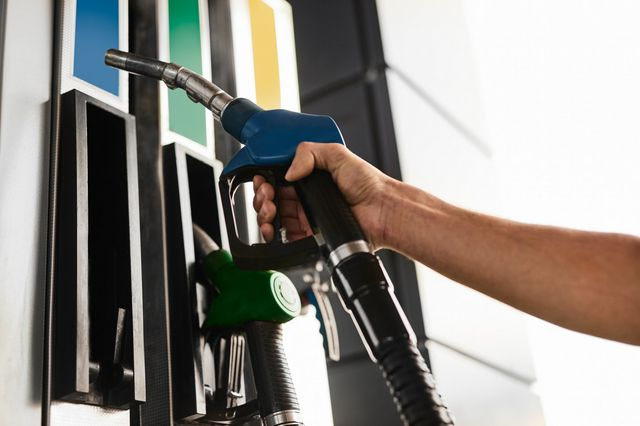
International analysts and Greek market players nevertheless estimate that as long as normal shipping traffic in the region is not restored and transport remains restricted, crude oil will continue to trade at elevated levels.
- 19 Αυγούστου 2026 08:04
Fuel prices remain at exceptionally high levels in the Greek market, with unleaded petrol and automotive diesel exceeding €2 per litre in dozens of regions across the country, adding to travel costs amid increased traffic in August.
More specifically, the latest rise in international oil prices is intensifying pressure at the pump, with Brent crude now trading above $91 a barrel. At the same time, expectations of an immediate diplomatic de-escalation of the crisis in the Middle East remain limited, sustaining uncertainty across global energy markets.
Meanwhile, in international markets, Brent rose by 62 cents on Tuesday to $91.49 a barrel, its highest level since July 30, 2025. US West Texas Intermediate (WTI) also moved higher, gaining 75 cents to $85.25 a barrel.
The reasons behind the rise
A major factor driving prices higher is the difficulty in transporting oil and natural gas from the Middle East, with particular focus on shipping through the Strait of Hormuz. Reduced tanker traffic and uncertainty surrounding the security of maritime transport are fuelling concerns over the smooth supply of the global market.
International analysts and Greek market players nevertheless estimate that as long as normal shipping traffic in the region is not restored and transport remains restricted, crude oil will continue to trade at elevated levels. If the international rally continues, pressure on retail prices is expected to intensify in the coming days, with the final impact also influenced by the euro-dollar exchange rate and the time it takes for international price movements to feed through to the Greek market.
Unleaded petrol above €2
The rise in international prices has already been reflected at petrol stations. According to data from the Liquid Fuel Price Observatory, on August 17 the average price of 95-octane unleaded petrol stood at €1.998 per litre, while one day later, on August 18, it crossed the €2 threshold, reaching €2.002.
The price of 100-octane unleaded petrol also increased, from €2.248 to €2.250 per litre, while automotive diesel rose from €1.989 to €1.996 per litre. The average price of automotive LPG remained unchanged at €0.957.
The figures reflect the pressure facing the market, with petrol station operators cautious about the direction of prices, as no one can safely predict how the international rally will develop. If crude prices rise further, the increases at the pump are expected to gradually feed through to the Greek market.
Cyclades the most expensive region
The highest prices are being recorded in tourist areas, with the islands topping the list for high fuel costs. In the Cyclades, the average price of unleaded petrol reached €2.251 per litre, while automotive diesel stood at €2.235.
The Dodecanese followed, with unleaded petrol at €2.129 and diesel at €2.085 per litre. On Lesvos, the corresponding prices stood at €2.090 and €2.087, while in Kefalonia they reached €2.083 and €2.081 respectively.
High prices were also recorded in Evrytania, Corfu, Lasithi, Evia, Magnesia, Phocis and Halkidiki.
Overall, unleaded petrol exceeded €2 per litre in 30 regions of the country, including Aetolia-Acarnania, Arcadia, Grevena, Evia, Evrytania, Zakynthos, Heraklion, Thesprotia, Ioannina, Kavala, Karditsa, Corfu, Kefalonia, Lasithi, Laconia, Lefkada, Magnesia, Messenia, Xanthi, Rethymno, Samos, Trikala, Phthiotis, Phocis, Halkidiki, Chania and Chios.
Similarly, automotive diesel is selling for more than €2 per litre in 25 regions, with the highest average price recorded on Lesvos, at €2.087.
Measures helped curb the increases
Measures introduced in the market have nevertheless helped limit the burden on consumers. Discounts offered by refineries, worth a total of €40 million for the period from July 14 to August 31, together with a government subsidy of 10 cents per litre plus VAT on automotive diesel until the end of August, have acted as a buffer against price increases.
However, international conditions are limiting the scope for prices to ease. If Brent continues its upward trajectory and remains at elevated levels, the Greek fuel market will face renewed pressure at a time when travel is at its peak and the cost of summer journeys is becoming increasingly burdensome for households.