What can we expect from the drilling in the northwestern Ionian Sea
Διαβάζεται σε 3'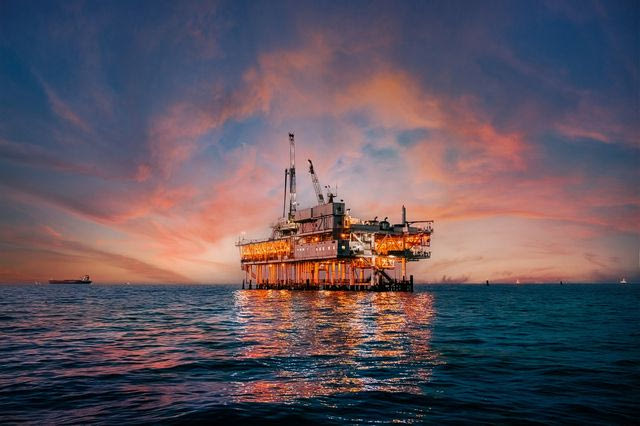
The data so far from the seismic surveys have created cautious optimism, as they indicate the possible presence of significant quantities of natural gas.
- 16 Απριλίου 2026 11:36
With a horizon set for early 2027, Greece is approaching a critical milestone in hydrocarbon exploration, as—following yesterday’s signed agreements—the first exploratory drilling in Greek waters in nearly four decades is being set in motion.
At the centre of the project is the “Asofos 1” target in the Northwestern Ionian Sea, a geological structure covering approximately 1,000 square kilometres that is attracting strong investment and geopolitical interest.
The timeline places the start of drilling in mid-February 2027, with the Stena Drill Max drilling rig assigned to the mission. The operation is expected to last around 60 days, meaning that the first reliable conclusions regarding the existence of a commercially viable deposit are expected by late spring of the same year.
Current seismic survey data have generated cautious optimism, suggesting the possible presence of significant quantities of natural gas. If confirmed, the size of the deposit could potentially exceed domestic energy needs for many years, while also offering the prospect of substantial long-term revenues for the state. However, experts stress that this remains a high-risk undertaking, as success probabilities are generally limited in similar international projects.
The consortium is managed by Energean, with the participation of ExxonMobil and HELLENiQ Energy. The cost of the exploratory drilling is estimated at €60–70 million, while any positive discovery would require substantially higher investments for development and production.
An additional factor adding significance to the project is its geographical location. The “Asofos 1” target lies near the maritime boundary with Italy’s EEZ, with indications that the same geological formation may extend beyond Greek territorial limits. In such a case, international practice allows for potential joint exploitation through agreements between the countries involved, adding an extra geopolitical dimension to the project.
Even at the exploration stage, the activity is expected to stimulate economic activity across a wide range of sectors, including shipping, ports, transport, and logistics. If a discovery is made, developing the field could require investments worth billions of euros, potentially involving floating production units and integration with existing energy infrastructure.
The upcoming drilling in the Northwestern Ionian thus represents a pivotal test for Greece’s prospects in the hydrocarbons sector, with the outcome set to determine not only the viability of this specific target but also the country’s broader potential role in the regional energy landscape.