Explosion in Plaka: Photos of the suspects – Three to appear before the prosecutor
Διαβάζεται σε 4'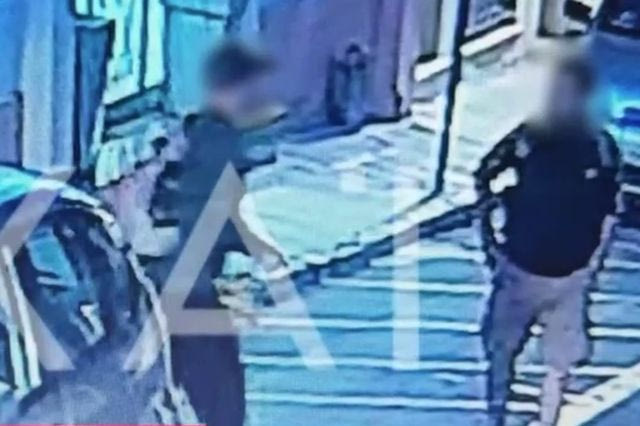
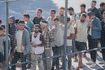
The three suspects arrested in connection with the deadly explosion in Plaka are due to appear before a prosecutor today. They are alleged to have sabotaged natural gas pipelines in order to steal copper pipes.
- 30 Οκτωβρίου 2026 09:44
The three suspects arrested in connection with the deadly explosion at a three-storey building in Plaka last September are due to appear before a prosecutor today, Friday. The blast killed six people.
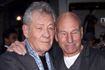
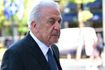
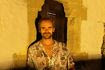
The suspects are two Greek nationals, aged 34 and 54, and a 37-year-old Albanian national.
According to the investigation by the competent department of the Fire Service, the three suspects are believed to have deliberately damaged the building’s natural gas pipes in an attempt to steal copper piping.
Investigators believe this interference caused the gas leak that led to the deadly explosion.
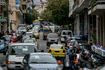
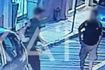
A security camera captured the moment of the powerful blast, as a black van carrying 12 students from a private school was passing along Lysikratous Street.
What charges are they expected to face?
According to the same information, the criminal charges expected to be brought against the three suspects include multiple counts of intentional homicide committed jointly, causing a fatal explosion with intent, and arson.
The suspects’ movements – How investigators located the source of the leak
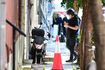
By analysing footage from dozens of cameras, the Directorate for Combating Arson Crimes traced the movements of the alleged perpetrators and found that they entered the building on Lysikratous Street in Plaka about five and a half hours before the explosion.
According to the investigation, the three suspects allegedly damaged the building’s natural gas installation in an attempt to steal copper piping. Competent sources said the three men are believed to have entered the ground-floor stairwell area and tried to cut off the copper pipe connected to the gas meter there.
The specific area in the stairwell was enclosed, with no windows and inadequate ventilation. According to the investigation, after the pipe was broken, natural gas appears to have leaked into the stairwell and, due to its properties, moved upwards through the building and accumulated on the second floor.
Investigators believe that the resident of the second floor, one of the six people killed, may have turned on an electrical switch after getting up in the morning, causing a spark that ignited the accumulated gas and triggered the explosion.
Competent sources said the gas from the point of the leak had also spread into other areas of the building, which is believed to have contributed to the collapse and the explosion. The victims were the elderly couple living on the second floor and two couples of tourists staying in short-term rental accommodation on the first floor.
More specifically, according to competent sources, video footage collected by specialised officers of the Directorate for Combating Arson Crimes appears to show the explosion occurring almost simultaneously on the ground floor and the second floor.
The specialised investigators recovered the gas meter and reconstructed the scene, locating a photograph showing the meter before the explosion. The section of pipe found to have broken was then sent to the metallography laboratory of the Metallurgy and Materials Technology Department at the National Technical University of Athens for technical analysis.
The examination found that the fracture was caused by mechanical stress, specifically tensile force, meaning that the perpetrators had pulled the pipe forcefully in an attempt to detach it. Investigators believe this was the point from which the gas leaked.
Experts also estimate that the period of roughly five and a half hours between the alleged perpetrators entering the building and the explosion was sufficient for a large quantity of gas to accumulate in the enclosed stairwell and other parts of the building.